How to Shop Fashion Sales Without Regret is a guide for savvy shoppers looking to navigate the world of fashion discounts without falling into the traps of impulse buying and buyer’s remorse. The retail landscape is filled with enticing sales and promotions, but it takes a strategic approach to truly capitalize on these opportunities while maintaining a sense of style and sustainability.
From understanding the nuances of various sales types to implementing smart shopping strategies, this guide will equip you with the tools needed to make informed decisions. We’ll explore how to evaluate quality, build a versatile wardrobe, and consider ethical shopping practices, all while ensuring you get the best value for your dollar during those seasonal sales.
Understanding Fashion Sales
Fashion sales play a crucial role in the retail industry, driving consumer interest and boosting sales figures for brands. They serve as a strategic tool for retailers to attract customers, clear inventory, and encourage purchases. By creating urgency and perceived value, fashion sales influence buying behaviors and can lead to significant market shifts.Fashion brands typically offer a variety of sales and discounts to entice shoppers.
Common types include seasonal sales, clearance sales, and promotional discounts tied to events. Seasonal sales align with major fashion cycles, allowing customers to purchase items from previous collections at reduced prices. Clearance sales are often aimed at clearing out last season’s stock, while promotional discounts may coincide with holidays or special occasions, offering limited-time deals that encourage impulse buying.
Types of Sales and Discounts
Understanding the different types of sales and discounts helps shoppers make informed decisions. The following are common forms of discounts offered by fashion brands:
- Seasonal Sales: These sales typically occur at the end of each fashion season, such as summer and winter, providing discounts on items to make way for new collections.
- Clearance Sales: Brands often hold clearance events to sell off unsold inventory, often resulting in significant markdowns of up to 70% off.
- Flash Sales: These are short-lived sales that may last only a few hours or a day, enticing shoppers with exclusive discounts on select items.
- Promotional Discounts: Often coinciding with holidays or special events, these discounts can take forms such as buy-one-get-one-free offers or percentage off totals during a checkout.
- Member-Exclusive Sales: Many brands offer special sales to loyalty program members, providing early access to discounts or exclusive products.
Timing and Seasons for Major Fashion Sales
Fashion sales are strategically timed throughout the year to align with consumer shopping habits and seasonal changes. The following Artikels key periods when major fashion sales typically occur:
- January Sales: Post-holiday sales are common as brands seek to clear inventory left over from the holiday season.
- Spring Sales: As spring approaches, many retailers offer discounts to make room for new spring fashion lines.
- Summer Sales: Mid-summer often brings sales as retailers adjust their stock for fall collections.
- Black Friday and Cyber Monday: These shopping holidays in late November feature significant sales across the fashion industry, marking some of the year’s biggest discounts.
- End-of-Season Sales: Typically in late August and late December, these sales aim to move out seasonal items and can provide substantial savings.
Seasonal sales not only help retailers manage inventory but also create excitement among shoppers, turning shopping into an anticipated event.
By understanding these various sales strategies and their timing, consumers can be better equipped to shop fashion sales without regret, capitalizing on the best deals while avoiding impulse purchases.
Strategies for Smart Shopping
Shopping during sales can be exhilarating, but it also poses the risk of impulse purchases and buyer’s remorse. To navigate sales events successfully, having a clear strategy is essential. This section Artikels several key techniques to help you shop wisely, ensuring that your purchases are well-considered and align with your personal style and budget.
Checklist of Essential Tips for Smart Shopping
When shopping during sales, it’s important to have a plan in place to avoid making hasty decisions. The following checklist includes essential tips that can assist in making smarter choices:
- Define your shopping goals: Identify what items you genuinely need or want before heading out.
- Create a list: Write down specific pieces you aim to buy to stay focused and avoid distractions.
- Set a budget: Decide on a maximum spending amount to help control impulse buying.
- Limit shopping time: Set a time limit for your shopping trip to discourage aimless browsing.
- Evaluate each item: Consider the fit, quality, and versatility of each piece before purchasing.
- Avoid emotional shopping: Recognize if you are shopping to alleviate stress or boredom and reassess your motivations.
- Take breaks: Step away from the shopping environment to clear your mind and reassess your choices.
Importance of Setting a Budget
Establishing a budget before shopping is crucial in maintaining financial discipline and ensuring you do not overspend. A pre-determined budget helps navigate sale events without succumbing to the temptation of “great deals.” To adhere to your budget, consider these strategies:
- Track your spending: Keep a record of how much you plan to spend on each item, ensuring you stay within limits.
- Use cash or a prepaid card: Physically limiting your spending can make it easier to stick to your budget.
- Prioritize needs over wants: Understand the difference between essential items and those that are merely nice to have.
- Review and adjust: After making purchases, review your budget and make adjustments for future shopping trips.
Significance of Researching Items Before Purchase
Researching items prior to making a purchase can provide crucial insights into their quality, pricing, and overall value. Being informed about products can significantly enhance your shopping experience and prevent buyer’s remorse.Key aspects of effective research include:
- Read reviews: Look for feedback from other customers to gauge the quality and performance of an item.
- Compare prices: Utilize online tools or apps to compare prices across different retailers for the best deal.
- Check return policies: Familiarize yourself with the return and exchange policies in case the item does not meet your expectations.
- Assess brand reputation: Consider purchasing from reputable brands known for their quality and customer service.
Being informed is the first step toward making wise purchasing decisions that align with your personal style and budget.
Evaluating Quality and Value
When shopping sales, it’s essential to differentiate between the quality of discounted items and those at full price. Evaluating quality and value can save you from buyers’ remorse and ensure you make informed purchases. Understanding how to assess quality can mean the difference between a steal and a waste of money.Assessing the quality of sale items involves several factors that may not be as crucial when looking at full-price products.
Sale items, especially if they are marked down significantly, can sometimes be of lower quality or last season’s stock. Here are key considerations to keep in mind:
Assessing Quality of Sale Items
To effectively evaluate the quality of items on sale, consider the following aspects:
- Material Composition: Review the fabric or material used in the garment. Natural fibers like cotton, wool, and silk generally indicate higher quality than synthetic counterparts.
- Construction Details: Check for neat stitching, aligned patterns, and quality finishing. Well-constructed pieces often hold up better over time.
- Brand Reputation: Research the brand’s history regarding quality. Well-known brands typically maintain higher quality standards even on sale items.
- Reviews and Ratings: Look up customer reviews for insights on the product’s durability and performance. Previous buyers can provide valuable feedback regarding their experience.
Determining the value of a discounted item goes beyond just the price tag. To assess whether a sale item is worth the investment, consider these guidelines:
Determining Value of Discounted Items, How to Shop Fashion Sales Without Regret
Understanding the value of a product involves several factors that contribute to its overall worth:
- Original Price Comparison: Compare the sale price to the original retail price. If the discount is substantial but the quality is still intact, it is likely a good deal.
- Cost Per Wear: Consider how often you’ll wear the item. A higher-priced item that you’ll wear frequently can be a better investment than a cheap, trendy piece worn just once.
- Versatility: Look for pieces that can be styled in multiple ways. Items that work for various occasions justify their price better.
Lastly, understanding return policies on sale items can significantly reduce the risk of buyer’s remorse. Sale items often come with different return policies, and knowing the specifics can help you make a more confident purchase.
Return Policy Guidelines for Sale Items
Before finalizing your sale purchase, familiarize yourself with the return policies. Here are essential points to review:
- Timeframe for Returns: Check how long you have to return the item. Some retailers allow only a limited window for sale items.
- Condition Requirements: Review any stipulations regarding the condition of the item. Many stores require items to be unworn and with original tags for returns.
- Exchange Policies: Understand whether you can exchange the item for a different size or color, as some sales may not permit exchanges.
- Refund Options: Know whether refunds are issued in cash, store credit, or both. This can influence your decision if you suspect the item might not meet your expectations.
By carefully evaluating the quality and value of discounted items, alongside understanding the return policies, you can enjoy shopping sales while minimizing the risks associated with impulse buys.
Building a Capsule Wardrobe: How To Shop Fashion Sales Without Regret
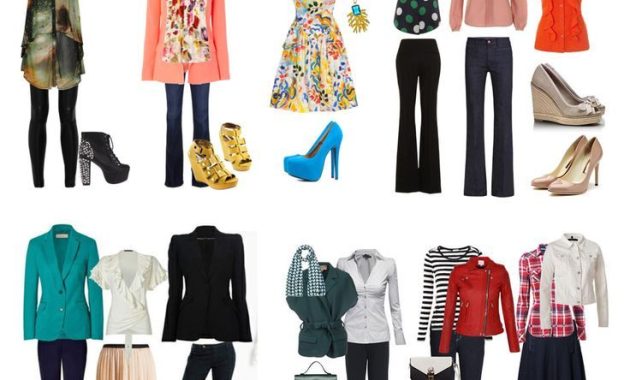
Creating a capsule wardrobe is a smart approach to shopping fashion sales without regret. By focusing on a curated collection of classic and versatile pieces, you can effortlessly mix and match your outfits while minimizing impulsive buys. This strategy not only saves money but also enhances your overall style, making dressing a breeze.A capsule wardrobe consists of timeless fashion staples that form the foundation of your closet.
These pieces should be selected with versatility in mind, allowing you to create various outfits suitable for different occasions. During sales, it’s crucial to plan ahead and choose items that complement your existing wardrobe rather than detract from it. This ensures that every new purchase adds value to your style rather than clutter.
Selection of Versatile Items
When shopping sales, selecting versatile items can greatly enhance the efficiency of your wardrobe. Focus on pieces that can be dressed up or down and paired seamlessly with other garments. Consider the following essentials:
- Classic White Button-Down Shirt: A must-have that can be worn in casual and formal settings alike.
- Tailored Blazer: Perfect for adding sophistication to any outfit, whether it’s a jeans-and-tee combo or professional attire.
- Dark Wash Jeans: Timeless and adaptable, they work well with nearly any top.
- Little Black Dress: An iconic piece that can be styled for day or night with simple accessory changes.
- Neutral Cardigans or Sweaters: Ideal for layering during colder months while keeping your look polished.
Incorporating trendy pieces into your wardrobe can be done cleverly to avoid overcommitting to fleeting styles. When selecting trendy items during sales, consider the following strategies:
Incorporating Trendy Pieces
Embracing trends while maintaining a capsule wardrobe requires thoughtful purchases that align with your core style. Opt for statement accessories or a single trendy item that can elevate your existing outfits without overwhelming them. Here are some practical tips:
- Choose Accessories Wisely: Scarves, bags, and shoes are excellent ways to incorporate current trends without a long-term commitment.
- Invest in One or Two Trendy Clothing Items: A trendy jacket or patterned top can add flair, but ensure it pairs well with your classic pieces.
- Stick to a Color Palette: This helps new pieces blend effortlessly with your established wardrobe, maintaining a cohesive look.
- Monitor Trends: Keep an eye on fashion forecasts to gauge which trends are gaining longevity rather than a fleeting moment.
By strategically selecting versatile items and incorporating trendy pieces thoughtfully, you can build a capsule wardrobe that reflects your unique style, optimizes your fashion budget, and helps you shop sales without regret.
Ethical Considerations in Sale Shopping
Shopping during sales can be exhilarating, but it’s essential to consider the broader implications of these purchases. The fashion industry, particularly fast fashion, has significant environmental and ethical concerns that should influence your choices. Understanding these factors allows consumers to shop with purpose and responsibility, ensuring that their wardrobe choices align with their values.The fast fashion industry contributes significantly to environmental degradation, including water pollution, excessive waste, and high carbon emissions.
Sales events often encourage overconsumption, leading shoppers to buy more than they need. For instance, it’s estimated that the average person discards 60% of their clothes within a year, and many of these garments end up in landfills. Recognizing the environmental impact of our shopping habits is crucial for making informed decisions. Instead of purchasing from brands that prioritize rapid production and low-cost items, consider opting for sustainable brands that prioritize ethical practices and environmental stewardship.
Importance of Supporting Sustainable Brands
When shopping sales, it’s vital to support brands that practice sustainability. These brands often focus on quality over quantity, ensuring their products are made to last. By choosing to buy from ethical companies, consumers can help drive demand for more responsible production methods. Here are some key benefits of supporting sustainable brands:
- Reduced Environmental Impact: Sustainable brands typically use eco-friendly materials and processes that minimize waste and pollution.
- Fair Labor Practices: Many sustainable brands ensure that their workers are paid fair wages and work in safe conditions, contributing to social equity.
- Quality over Quantity: Sustainable products are often of higher quality, leading to longer-lasting items that reduce the need for frequent replacements.
- Transparency: Ethical brands are more likely to share their production processes, allowing consumers to make informed choices.
Recognizing and Avoiding Unethical Sales Practices
In an effort to maximize profits, some brands may resort to unethical sales practices that can mislead consumers. Being aware of these practices helps shoppers make more ethical decisions. Here are some signs to look out for when evaluating sales:
- Vague Marketing Claims: Be cautious of brands that use ambiguous terms like “eco-friendly” without backing them up with certifications or clear descriptions of their processes.
- Excessive Discounts: If a discount seems too good to be true, it might indicate the product was overpriced in the first place, a common tactic used to create a false sense of value.
- Low-Quality Materials: Products made from cheap, synthetic materials often contribute to pollution and waste in their production and disposal processes.
- Lack of Transparency: Brands that do not disclose their supply chain information may not adhere to ethical practices, making it difficult for consumers to know the true impact of their purchases.
“Choosing to shop ethically is not just about what you buy but also about the values you support.”
Leveraging Online Shopping Tools

In today’s fast-paced digital world, online shopping tools can significantly enhance your shopping experience, especially when it comes to snagging the best fashion deals. By utilizing a variety of apps and websites, you can track sales, compare prices, and access exclusive discounts. Embracing these tools not only saves you time but also helps you make smarter purchasing decisions.
Online Tools and Apps for Tracking Sales
To maximize your fashion shopping experience, consider incorporating these essential tools and apps designed to keep you informed about sales and discounts:
- Honey: This browser extension automatically applies coupon codes at checkout, ensuring you never pay more than necessary. It also features a price tracking tool, alerting you when your favorite items go on sale.
- Rakuten: Offering cashback on purchases from various retailers, Rakuten allows you to earn as you shop. It also helps you stay updated on ongoing sales and promotions from your favorite brands.
- ShopSavvy: This app enables you to scan barcodes and compare prices across multiple retailers, ensuring you find the best deals available.
- ShopStyle: A fashion-oriented search engine that aggregates sales across numerous retailers, ShopStyle allows you to filter by brand, price range, and even color to find the perfect item.
Benefits of Subscribing to Brand Newsletters
Subscribing to brand newsletters can provide valuable advantages, particularly for savvy fashion shoppers looking to access early sales and exclusive discounts. When you sign up, you often receive notifications about:
- Exclusive promotions only available to subscribers, which can include significant discounts or bonus offers.
- Early access to sales, allowing you to shop before items sell out during popular promotions.
- Personalized recommendations based on your shopping preferences, which can help streamline your shopping experience.
“Being on the mailing list often means you can shop smarter and faster, especially during sales events.”
Using Social Media to Find Exclusive Fashion Deals
Social media platforms are treasure troves for fashion deals, offering a unique way to stay connected with brands and access exclusive offers. Here’s how to effectively use social media for bargain hunting:
- Follow Your Favorite Brands: Brands frequently announce flash sales, exclusive discounts, and new collections through their social media channels. Make sure to follow them on platforms like Instagram, Facebook, and Twitter.
- Join Fashion Deal Groups: Many platforms, especially Facebook, have groups dedicated to sharing deals on fashion and beauty products. Engaging with these communities can lead you to exclusive offers.
- Utilize Hashtags: Searching fashion-related hashtags like #Sale, #Clearance, or specific brand hashtags can help you uncover the latest deals and trends being shared by others.
- Engage with Content: Brands often reward their followers for engagement, including reposting or sharing their content. This can lead to insider information on upcoming sales or exclusive promo codes.
Post-Purchase Evaluation
Reflecting on purchases made during sales is a vital part of smart shopping. It allows you to assess whether your decisions align with your personal style, budget, and wardrobe needs. Post-purchase evaluation not only helps in understanding the effectiveness of your shopping strategies but also aids in improving future purchases, ensuring that you invest in pieces that truly enhance your wardrobe.Evaluating your new items and organizing your wardrobe after a shopping spree can be enlightening.
It gives you a clearer picture of what you own, what you may need, and how the new pieces fit into your overall style. Here are the steps to effectively organize and assess your wardrobe after a shopping spree:
Steps for Organizing Your Wardrobe
Begin by creating a clean and inviting workspace. This will help you focus on the task at hand and make the evaluation process enjoyable. Consider the following steps to streamline your wardrobe organization:
- Clear Out Old Items: Start by removing clothes that you no longer wear. This helps create space for new items and allows you to see what you truly need.
- Sort by Category: Organize your wardrobe by categories such as tops, bottoms, outerwear, and accessories. This makes it easier to identify gaps in your collection.
- Try on New Purchases: Assess how each new item fits with your existing wardrobe. Pay attention to how versatile each piece is and whether it complements your style.
- Review Wardrobe Cohesion: Determine if the new pieces work well with your current items. A well-cohesive wardrobe allows for multiple outfit combinations.
- Document Combinations: Create a lookbook by photographing outfits you can make with your new items. This serves as a quick reference for future styling.
Making adjustments to your shopping strategies based on past experiences is crucial for becoming a more mindful shopper. Reflecting on what worked and what didn’t during your last shopping spree can help refine your approach. Here are ways to enhance your future shopping strategies:
Adjusting Future Shopping Strategies
Identifying patterns from your previous purchases can lead to smarter shopping decisions. Consider the following adjustments:
- Analyze Spending Habits: Review your past purchases and establish a budget that aligns with your fashion goals. This can prevent impulse buying during sales.
- Assess Purchase Satisfaction: Rate your satisfaction with each item purchased. Determine if the items met your expectations in terms of quality, fit, and style.
- Keep a Wish List: Maintain a list of items you genuinely need or desire. This can help focus your shopping efforts and reduce unnecessary spending during sales.
- Evaluate Sale Timing: Reflect on whether shopping at a particular time (e.g., end-of-season sales) provided better options and prices. Adjust your shopping calendar accordingly.
- Learn from Mistakes: Take note of items that did not fit well or were not worn. Understanding these missteps will guide your future purchases and keep your wardrobe functional.
“Evaluating your past purchases is crucial for becoming a more thoughtful and strategic shopper, ultimately leading to a wardrobe filled with pieces you love.”