Eco-Friendly Fabrics You Should Look For is an essential guide for anyone interested in sustainable fashion. As the fashion industry faces increasing scrutiny over its environmental impact, understanding the significance of eco-friendly fabrics becomes crucial. These materials not only reduce the carbon footprint associated with traditional fabric production but also promote healthier living through their safe and sustainable characteristics.
In a world where our choices matter, embracing eco-friendly fabrics like organic cotton, linen, and Tencel can lead to a more sustainable lifestyle. This overview will explore various types of eco-friendly materials, their benefits, and how they can transform our approach to clothing and textiles.
Introduction to Eco-Friendly Fabrics
Eco-friendly fabrics are materials that are produced in a manner that is not harmful to the environment, prioritizing sustainability throughout their life cycle. As the fashion industry continues to evolve, the significance of these fabrics has grown, reflecting a shift towards responsible consumerism and ethical production practices. Eco-friendly fabrics not only contribute to reducing the environmental footprint of clothing but also promote a healthier lifestyle for consumers.The environmental impact of traditional fabric production is substantial.
Conventional methods often involve the use of toxic chemicals, excessive water consumption, and energy-intensive processes that contribute to pollution and climate change. For instance, the production of cotton typically requires large amounts of water and pesticides, which can lead to soil degradation and water scarcity. In contrast, eco-friendly fabrics are made from organic or recycled materials, resulting in a reduced burden on natural resources and a lower level of waste generated during production.
Benefits of Using Eco-Friendly Materials
The benefits of using eco-friendly materials extend beyond just environmental concerns; they encompass social and economic aspects as well. Here are a few key advantages:
- Reduction of Carbon Footprint: Eco-friendly fabrics generally require less energy to produce, leading to lower greenhouse gas emissions. For example, organic cotton uses 90% less water than conventional cotton, helping preserve vital water resources.
- Healthier for Consumers: Fabrics made from natural fibers, such as organic cotton or bamboo, are often free from harmful chemicals and allergens, making them safer for consumers, especially those with sensitive skin.
- Sustainable Production Practices: Eco-friendly fabrics often utilize sustainable farming practices that promote biodiversity and soil health. This can include crop rotation and the use of natural fertilizers, which support local ecosystems.
- Support for Ethical Labor: Many eco-friendly fabric producers prioritize fair labor practices and provide fair wages, ensuring a more equitable industry. This commitment can positively impact the lives of those in the textile supply chain.
- Durability and Quality: Eco-friendly fabrics are often more durable than their conventional counterparts. For example, Tencel, made from sustainably sourced wood pulp, has natural moisture-wicking properties and is strong yet soft, resulting in longer-lasting garments.
Types of Eco-Friendly Fabrics
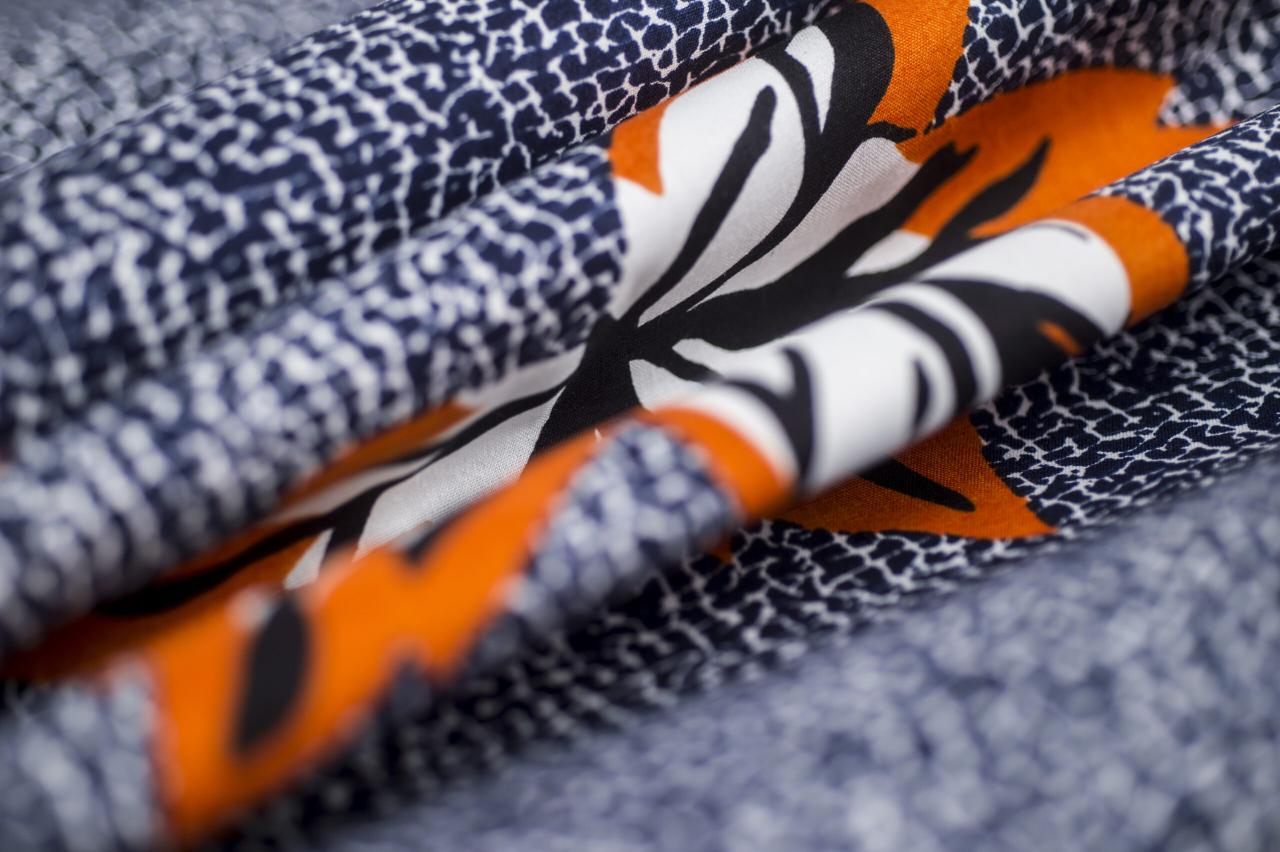
The rise of eco-conscious fashion has brought attention to sustainable materials that not only reduce the environmental impact but also promote ethical practices. Various types of eco-friendly fabrics are leading the way in this movement, each with unique benefits and characteristics. Understanding these fabrics can help consumers make informed choices that align with their values.Among the popular eco-friendly fabrics are organic cotton, linen, hemp, and Tencel.
Each of these fabrics boasts environmentally friendly production processes that significantly reduce harm to the planet. For instance, organic cotton is cultivated without synthetic pesticides or fertilizers, which protects soil health and biodiversity. Linen, made from flax plants, requires less water and energy during production, while hemp is known for its fast growth and ability to thrive without chemicals. Tencel, produced from sustainably sourced wood pulp, is not only biodegradable but also made through a closed-loop process that recycles water and solvents.
Overview of Popular Eco-Friendly Fabrics
The following fabric types are widely recognized for their eco-friendly properties and production processes:
- Organic Cotton: Grown without synthetic fertilizers or pesticides, organic cotton supports biodiversity and healthier soil. The absence of harmful chemicals benefits both the environment and the health of farmers.
- Linen: Made from the flax plant, linen is highly durable and requires minimal water compared to conventional cotton. Its production generates less waste and uses fewer resources, making it a sustainable choice.
- Hemp: Hemp is one of the most eco-friendly fabrics due to its low environmental impact. It grows quickly, can thrive in poor soil conditions, and requires minimal water and no pesticides, making it an incredibly sustainable option.
- Tencel (Lyocell): Produced from sustainably sourced wood pulp, Tencel is created through an eco-friendly closed-loop process that recycles water and solvents. This fabric is not only gentle on the skin but also biodegradable.
To further highlight the advantages of eco-friendly fabrics, a comparison of their durability and comfort against conventional fabrics can be insightful. The following table summarizes these aspects:
| Fabric Type | Durability | Comfort | Environmental Benefits |
|---|---|---|---|
| Organic Cotton | Moderate to High | Soft and breathable | Reduces pesticide use, supports biodiversity |
| Linen | High | Cool and refreshing | Low water usage, minimal energy consumption |
| Hemp | Very High | Comfortable and moisture-wicking | Requires no pesticides, fast growth |
| Tencel | High | Soft and silky | Biodegradable, closed-loop production |
“Choosing eco-friendly fabrics is a step towards a more sustainable future, benefiting both the planet and its inhabitants.”
Sourcing and Certification of Eco-Friendly Fabrics
The journey to sustainable fashion begins with understanding the sourcing and certification of eco-friendly fabrics. Proper certifications not only ensure that the fabrics meet environmental and ethical standards but also provide consumers with the peace of mind that their purchases are genuinely sustainable. By supporting certified materials, you contribute to a more responsible fashion industry.Certifications play a crucial role in differentiating genuine eco-friendly fabrics from those that merely claim to be sustainable.
Notable certifications include GOTS (Global Organic Textile Standard), OEKO-TEX, and Fair Trade. Each of these certifications has specific criteria that manufacturers must meet, thereby ensuring that the fabrics are produced with minimal environmental impact and with fair labor practices.
Importance of Certifications
These certifications serve as a reliable benchmark for consumers who wish to make informed purchasing decisions.
- GOTS: This certification ensures that textiles are made from at least 70% organic fibers, processed in an environmentally sustainable manner, and produced under safe and fair labor conditions.
- OEKO-TEX: The OEKO-TEX Standard 100 certification guarantees that textiles are free from harmful substances, making them safe for human use.
- Fair Trade: Fair Trade certification ensures that the workers involved in the production processes are paid fair wages and work in good conditions, thus promoting ethical practices in the textile industry.
Reputable Brands and Sources
When sourcing eco-friendly fabrics, it is vital to choose reputable brands known for their commitment to sustainability.
- Organic Cotton Plus: Offers a wide range of organic cotton fabrics that are GOTS certified.
- Fabric.com: Features a section dedicated to eco-friendly fabrics, including organic and recycled materials.
- Alabama Chanin: Specializes in sustainable, handcrafted apparel and textiles, ensuring ethical production methods.
Verifying the Authenticity of Eco-Friendly Claims
To ensure the authenticity of eco-friendly fabric claims, consumers should take several steps.
- Research the certifications associated with the fabric and check for their validity on the certifying body’s website.
- Request transparency from brands regarding their supply chain and production practices.
- Look for independent reviews or articles that evaluate the sustainability claims of the fabric producers.
“Choosing certified eco-friendly fabrics is more than just a trend; it’s a commitment to a sustainable future.”
Sustainable Dyeing and Finishing Techniques
Sustainable dyeing and finishing techniques play a crucial role in reducing the environmental impact of the textile industry. With traditional dyeing processes often consuming vast amounts of water and harmful chemicals, it’s essential to explore eco-friendly alternatives that protect our planet while still delivering vibrant textiles.In recent years, methods such as plant-based dyes and low-impact dyes have gained popularity among environmentally conscious manufacturers.
These techniques not only minimize the use of synthetic chemicals but also reduce water usage and pollution. Furthermore, advancements in technology have led to innovative methods like waterless dyeing, which drastically cuts down on water consumption, providing significant environmental benefits.
Eco-Friendly Dyeing Processes
Plant-based dyes, derived from natural sources such as fruits, vegetables, and plants, offer a sustainable alternative to synthetic dyes. These dyes are biodegradable and less toxic, making them safer for both the environment and human health. Low-impact dyes are designed to require less energy and water during the dyeing process, often using advanced chemistry to achieve vivid colors without the harsh environmental footprint of traditional dyes.
The following are notable benefits of using waterless dyeing technology:
Significant water savings
Traditional dyeing processes can use up to 100 liters of water for just one kilogram of fabric, whereas waterless dyeing reduces that requirement to nearly zero.
Reduced energy consumption
By eliminating water heating and cooling phases, waterless methods typically require less energy, thus lowering greenhouse gas emissions.
Minimized chemical runoff
Without water to carry pollutants, the potential for chemical runoff into waterways is drastically reduced, protecting aquatic ecosystems.
Eco-Friendly Finishing Techniques
Finishing techniques are essential in enhancing the quality and performance of fabrics. However, many conventional finishing processes involve harmful chemicals. Fortunately, a range of eco-friendly finishing techniques are available that significantly reduce the environmental impact. These methods often focus on using non-toxic materials and optimizing processes to minimize waste. Below is a list of effective eco-friendly finishing techniques:
Digital printing
A process that uses less water and fewer chemicals than traditional printing methods, producing vibrant designs with reduced waste.
Biopolishing
An enzymatic finishing technique that enhances fabric softness and reduces pilling without the need for harmful chemicals.
Natural softeners
Utilizing plant-based softeners instead of synthetic ones can improve fabric hand feel while being biodegradable and non-toxic.
Water-repellent treatments
Eco-friendly treatments can provide water resistance without the use of harmful fluorocarbon chemicals, often derived from natural sources.
Tumble drying alternatives
Utilizing air drying or energy-efficient drying techniques can lessen energy use and environmental impact.Incorporating these sustainable dyeing and finishing techniques into textile production not only promotes environmental well-being but also aligns with the increasing consumer demand for responsible fashion choices. The transition to eco-friendly practices represents a significant step towards a greener textile industry, benefiting both the planet and its inhabitants.
Care and Maintenance of Eco-Friendly Fabrics
Caring for eco-friendly fabrics is essential to ensure their longevity and maintain their environmentally friendly properties. These fabrics often require special attention in terms of washing, drying, and overall care, allowing you to enjoy your favorite sustainable pieces for years to come. Here, we will explore guidelines and tips to help you maintain different types of eco-friendly fabrics effectively.
Guidelines for Caring for Eco-Friendly Fabrics
Proper care is crucial for extending the life of eco-friendly fabrics. Each type has its own specific requirements, so understanding those can help you make informed decisions when it comes to washing, drying, and storing your items. Here are some general guidelines that can apply to a range of eco-friendly materials:
- Organic Cotton: Wash in cold water to prevent shrinkage and fading. It is advisable to line dry or tumble dry on low heat to maintain fabric integrity.
- Linen: Machine wash on a gentle cycle with mild detergent. Avoid bleach. Iron while slightly damp for best results.
- Bamboo: Hand wash with cold water and a gentle detergent. Avoid fabric softeners, as they can reduce bamboo’s natural antimicrobial properties.
- Hemp: Wash in cold water and air dry or tumble dry on low heat. Hemp becomes softer with each wash, enhancing comfort over time.
- Recycled Polyester: Wash in cold water to minimize energy use and prevent pilling. Avoid high heat in the dryer to conserve fabric lifespan.
Eco-Friendly Washing and Drying Methods
To further reduce the environmental impact, consider adopting eco-friendly washing and drying methods. These practices not only help the planet but also benefit your eco-friendly fabrics.
- Use a cold water cycle to save energy. Heating water consumes significant energy, so opting for cold washing is a simple yet effective way to lower your carbon footprint.
- Select biodegradable detergents that are free from harmful chemicals, which can be detrimental to both your health and the environment.
- Whenever possible, air dry your fabrics instead of using a dryer. This method saves energy and reduces wear and tear on the fabric, preserving its quality and longevity.
“A cold wash can reduce energy consumption by up to 90% compared to hot water washing.”
Repairing and Upcycling Eco-Friendly Fabrics, Eco-Friendly Fabrics You Should Look For
Repairing and upcycling are not only sustainable practices, but they can also breathe new life into worn or damaged eco-friendly fabric items. Here are some helpful tips for repairing and upcycling:
Sewing and Patching Minor tears and holes can be easily repaired by sewing or patching. Use fabric scraps from old clothing to create unique patches that add character to your items.
Dyeing If your fabric has faded, consider eco-friendly dyes to refresh its color. Natural dyes derived from plants can give your fabric a beautiful new hue while being kinder to the environment.
Transforming Items Upcycling can involve creatively transforming old clothing into new products. For example, turn an old T-shirt into a reusable shopping bag or create a quilt from various fabric remnants.
Repurposing Instead of discarding old items, think of ways to repurpose them. A worn out pair of jeans can be turned into a stylish tote bag, or fabric scraps can be used for DIY home decor projects.Engaging in these practices not only extends the life of your eco-friendly fabrics but also contributes to a more sustainable lifestyle.
Trends in Eco-Friendly Fashion
The eco-fashion industry is witnessing a remarkable shift towards sustainability, with trends that not only prioritize the environment but also resonate with consumer desires for ethical and responsible fashion. As awareness grows about the impact of traditional fabrics and manufacturing processes, both designers and brands are embracing eco-friendly materials and practices that promote a greener future for fashion.One of the most significant trends is the increasing integration of eco-friendly fabrics into mainstream fashion.
Major retailers are recognizing that sustainable choices are not just a niche market but rather a global necessity. This shift is reflected in the wide adoption of materials such as organic cotton, Tencel, recycled polyester, and hemp, which are being used in everything from casual wear to high-end collections.
Integration of Eco-Friendly Fabrics in Mainstream Fashion
The incorporation of sustainable fabrics into mainstream fashion has paved the way for innovative designs and modern aesthetics that appeal to a broader audience. Many popular clothing brands are now adopting eco-friendly practices, enhancing their product lines to include sustainable options. The following points highlight this essential trend:
- Collaborations with Sustainable Brands: Major fashion houses are collaborating with eco-conscious brands to produce limited-edition collections that utilize sustainable fabrics. This not only elevates the brand’s image but also encourages consumers to choose eco-friendly options.
- Sustainable Collections: Brands like H&M and Zara have launched sustainable clothing lines, incorporating organic and recycled materials into their stylish offerings, showcasing that sustainability can align with fashion-forward thinking.
- Consumer Demand for Transparency: Today’s consumers are becoming increasingly aware of the impact of their purchases. This demand for transparency in sourcing and production processes has prompted brands to disclose the origins of their fabrics and adopt traceable supply chains.
Innovative Designers and Brands Leading Sustainable Fabric Use
Within the eco-fashion realm, several designers and brands stand out for their commitment to sustainable fabric use and innovative practices. They are not only setting trends but also inspiring others in the industry.Some noteworthy examples include:
- Stella McCartney: A pioneer in sustainable fashion, Stella McCartney’s collections feature luxurious materials that are cruelty-free and environmentally friendly, setting a high standard for the industry.
- Eileen Fisher: This brand focuses on using organic and recycled fibers, promoting circular fashion through initiatives that encourage customers to return their old garments for recycling.
- Reformation: Known for its trendy styles, Reformation utilizes eco-friendly fabrics and practices throughout its production process, making sustainability stylish and accessible to the younger demographic.
The willingness of these designers to challenge conventional practices is reshaping the landscape of eco-friendly fashion and proving that sustainability and style can coexist beautifully.
The Future of Eco-Friendly Fabrics: Eco-Friendly Fabrics You Should Look For
As the awareness of environmental issues increases, the future of eco-friendly fabrics is becoming a pivotal topic in the fashion and textiles industry. With advancements in technology and a shift in consumer behavior, the landscape of sustainable textiles is rapidly evolving. This transformation not only emphasizes the importance of sustainable practices but also highlights innovative materials that promise a greener future.Emerging technologies and new materials are at the forefront of the eco-friendly fabric revolution.
One of the most exciting advancements includes the development of bio-based textiles, which are made from renewable resources such as algae, corn, and even orange peels. These materials offer the potential for high-performance fabrics that are both sustainable and biodegradable. Additionally, innovations like 3D knitting technology and digital printing techniques are reducing waste significantly during the manufacturing process.
Consumer Demand and Market Trends
Consumer demand plays a critical role in shaping the eco-friendly fabric market. As more individuals prioritize sustainability in their purchasing decisions, brands are responding by increasing their offerings of eco-conscious materials. This shift is evident in the rise of ethical fashion brands and the implementation of sustainable practices by traditional retailers. The following points illustrate how consumer preferences are influencing this market:
- Increased awareness of environmental issues, leading to a greater demand for transparency in sourcing and production processes.
- Growing preference for certified organic and recycled materials, which signifies a commitment to sustainability.
- Interest in brands that not only sell eco-friendly products but also actively promote environmental initiatives, thus engaging consumers in their mission.
Predictions for Sustainable Textiles
The future landscape of sustainable textiles is anticipated to be shaped by several key trends and innovations. Experts predict a significant rise in the use of circular economy principles in the fashion industry, where products are designed for longevity and recyclability. This shift will prioritize closed-loop systems, reducing waste and extending the lifecycle of fabrics.Key predictions include:
- The widespread use of biodegradable materials that decompose naturally, reducing landfill contributions.
- Further advancements in smart fabrics, which can adapt to environmental conditions and enhance the performance of clothing.
- The integration of blockchain technology for greater transparency in supply chains, allowing consumers to trace the origins of their fabrics.
“The future of eco-friendly fabrics is not just about creating sustainable alternatives; it’s about transforming the entire lifecycle of textiles from production to disposal.”
As these trends continue to gain momentum, the fashion industry is poised to embrace a more sustainable future, responding not only to consumer demand but also to the urgent need for environmental stewardship.