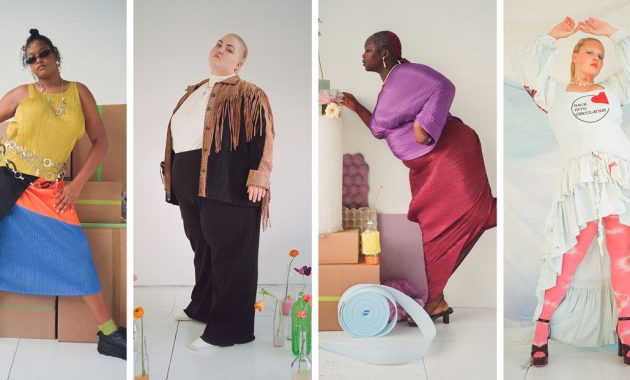
How to Style Vintage Fashion in a Modern Way is a delightful exploration into the world where timeless style meets contemporary flair. Vintage fashion, with its rich history and unique charm, allows us to express individuality while connecting to the past. As we dive into this topic, we’ll uncover the essentials of vintage styles, key pieces to incorporate into your wardrobe, and innovative ways to merge these classic garments with modern trends.
From iconic eras that have shaped the way we dress today to essential vintage pieces that every fashion lover should own, this guide provides insights and practical tips to elevate your wardrobe. You’ll learn the art of mixing vintage with modern styles, accessorizing for a fresh look, and maintaining those cherished pieces to ensure they last for generations.
Understanding Vintage Fashion
Vintage fashion encapsulates styles from previous decades that have stood the test of time and continue to influence modern trends. It is not merely about wearing old clothes; it’s about embracing history, culture, and artistry encapsulated in fabric. Vintage fashion allows us to appreciate the craftsmanship of previous eras while making unique style statements that reflect individuality.The essence of vintage style lies in its distinctive elements that differentiate it from contemporary fashion.
Key characteristics include unique patterns, quality materials, and tailored fits that often tell a story about the time they were crafted. Vintage pieces are often sought after due to their rarity, craftsmanship, and the nostalgic feelings they evoke. Notably, specific eras are associated with defining trends that continue to inspire modern designers and fashion enthusiasts alike.
Popular Vintage Eras and Their Defining Fashion Trends
Understanding the various vintage eras helps in appreciating the distinct fashion trends of each period. Each era has its signature styles, fabrics, and influences that reflect the societal norms and innovations of the time. Here are some pivotal vintage eras and their defining features:
- The Roaring Twenties: Characterized by flapper dresses, cloche hats, and a sense of liberation, this era saw women embracing shorter hemlines and a more relaxed silhouette.
- The Fabulous Forties: Marked by the influence of World War II, this period featured tailored suits, tea dresses, and the iconic ‘make do and mend’ philosophy, which led to practical yet stylish outfits.
- The Swinging Sixties: This era introduced bold prints, mini skirts, and a youth-driven culture, with influences from figures like Twiggy and The Beatles, creating a revolutionary shift in fashion norms.
- The Disco Seventies: Known for vibrant colors, bell-bottoms, and platform shoes, this decade highlighted a free-spirited attitude, with styles often reflecting the music and nightlife of the time.
- The Eighties Revival: Featuring oversized silhouettes, neon colors, and power suits, the eighties were about bold fashion statements, with designers like Gianni Versace leading the charge.
Recognizing these eras provides insight into how trends have evolved and how elements from the past can be integrated into contemporary wardrobes. Each vintage piece carries with it a narrative that can enhance personal style and offer a window into the past.
Essential Vintage Pieces
Vintage fashion brings a unique twist to modern wardrobes, blending nostalgia with contemporary style. To create a versatile and fashionable collection, incorporating essential vintage pieces is key. These garments not only serve as timeless staples but also allow for self-expression through unique styles that tell a story.Essential vintage clothing items contribute to a well-rounded wardrobe while providing endless mix-and-match possibilities.
Their inherent quality and craftsmanship often surpass fast fashion items, ensuring longevity in both style and wear. Accessories play a significant role in enhancing vintage outfits, adding character and personality to each look.
Essential Vintage Clothing Items
A selection of classic vintage pieces can transform your wardrobe. These items are often versatile, allowing for a variety of styling options. Here are some must-have vintage clothing items that every wardrobe should include:
- Vintage Denim Jacket: A timeless piece that adds a relaxed vibe to any outfit.
- Tea Dress: Perfect for any occasion, tea dresses combine femininity with an effortless charm.
- High-Waisted Trousers: A nod to retro styles, these trousers flatter various body types and offer modern comfort.
- Graphic Tee: Vintage graphic tees can be paired with anything from skirts to jeans for a laid-back look.
- Vintage Blazer: Adds sophistication and structure to any ensemble, great for layering.
Importance of Accessories in Vintage Fashion
Accessories play a pivotal role in vintage fashion, enhancing outfits and showcasing personal style. They provide an opportunity to infuse contemporary elements into classic ensembles. Vintage accessories such as brooches, scarves, and hats can transform a simple outfit into a statement look, making them indispensable in any vintage wardrobe.
| Timeless Vintage Garment | Modern Equivalent |
|---|---|
| 1940s Swing Dress | A-Line Midi Dress |
| 1960s Shift Dress | Contemporary Shift Dress |
| 1970s Bell-Bottom Jeans | Wide-Leg Trousers |
| 1980s Oversized Cardigan | Chunky Knit Sweater |
| Classic Chaussures | Modern Oxfords |
“Vintage fashion is not just about wearing old clothes; it’s about celebrating history and individuality.”
Mixing Vintage with Modern Styles
Blending vintage pieces with modern styles can create a unique and fashionable look that stands out. This approach allows you to showcase timeless designs while still feeling current and trendy. The key to mixing these styles is to select pieces that complement each other and work harmoniously together.When integrating vintage items into your wardrobe, consider the overall aesthetic you want to achieve.
The goal is to create a balanced look that feels cohesive. Start by choosing modern items that enhance the charm of your vintage pieces rather than compete with them.
Selecting Modern Items to Complement Vintage Clothing
Choosing the right modern pieces can elevate your vintage wardrobe. Here’s how to select items that will work well with your vintage finds:
1. Neutral Basics
Opt for solid-colored tops or bottoms that won’t overshadow the vintage piece.
Example
A black turtleneck sweater can perfectly balance a bold vintage floral skirt.
2. Tailored Fits
Look for modern cuts that are tailored and structured, providing a contrast to the often looser silhouettes found in vintage clothing.
Example
A fitted blazer can add sophistication to a flowing vintage dress.
3. Minimalist Accessories
Choose accessories that are simple yet elegant, allowing the vintage piece to remain the focal point.
Example
A pair of classic hoop earrings can complement a vintage beaded top without being overly flashy.
4. Footwear Choices
Modern sneakers or ankle boots can add a contemporary flair while maintaining comfort.
Example
Pairing vintage high-waisted jeans with sleek white sneakers offers a fresh take on a retro look.
5. Layering
Use modern outerwear or layering pieces to add depth to your outfit.
Example
A contemporary denim jacket can add an edge to a vintage lace top and skirt combination.Combining these elements can create stunning outfit combinations that reflect both vintage charm and modern style. Here are some practical examples of outfit pairings:
- Vintage A-line dress with a cropped denim jacket and ankle boots.
- High-waisted vintage trousers with a fitted graphic tee and espadrilles.
- A vintage silk blouse tucked into modern wide-leg jeans with platform sandals.
- Vintage leather skirt paired with a contemporary oversized sweater and chunky sneakers.
- A retro printed midi skirt styled with a sleek, modern turtleneck and pointed-toe flats.
By thoughtfully selecting modern pieces that enhance your vintage clothing, you can create stylish outfits that feel fresh and original. Each combination expresses your personal style while paying homage to fashion’s rich history.
Styling Tips and Tricks
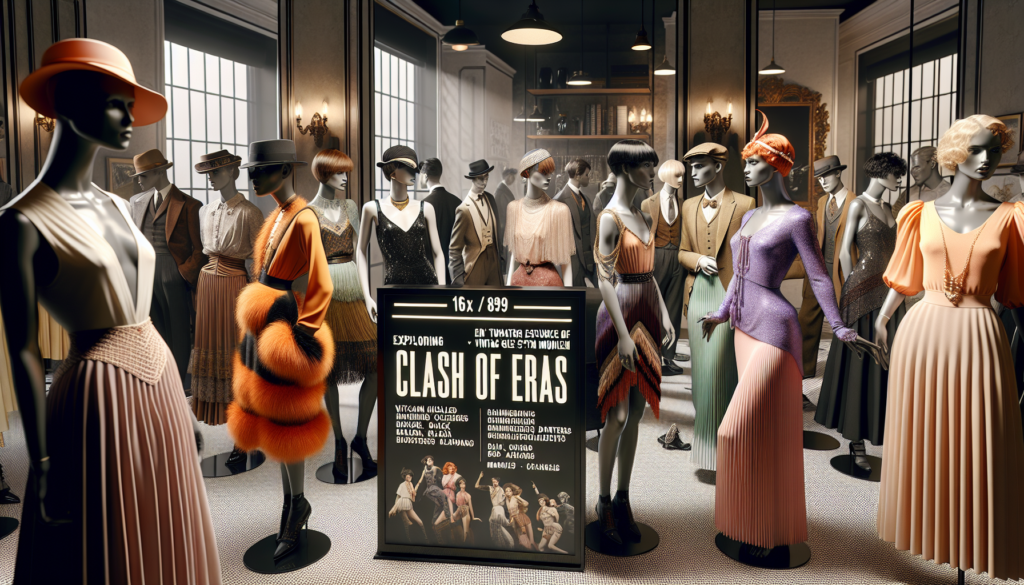
Accessorizing vintage outfits is an art that bridges the gap between the past and the present. By integrating modern pieces and thoughtful styling techniques, you can breathe new life into vintage fashion while staying true to your personal aesthetic. This section delves into effective tips for creating a contemporary look with vintage clothing, emphasizing the significance of accessories, color, patterns, and layering.
Accessorizing Vintage Outfits
The right accessories can elevate a vintage outfit, giving it a fresh, modern twist. When pairing accessories with vintage clothing, consider the following tips to enhance your overall look:
- Choose statement pieces: Bold jewelry, oversized bags, or unique shoes can create a focal point, making your vintage outfit feel more current.
- Mix metals: Don’t shy away from combining different metal tones. A vintage gold brooch paired with silver modern earrings can create an eclectic yet harmonious vibe.
- Incorporate modern technology: A sleek smartwatch or a trendy backpack can juxtapose vintage elegance, balancing the old with the new.
- Utilize scarves: Vintage scarves can be tied around the neck, used as headbands, or even wrapped around bags to add a pop of color or pattern.
- Experiment with belts: A modern belt over a vintage dress can define your waist and create a polished silhouette while maintaining the vintage aesthetic.
Color and Patterns in Vintage Styling
Colors and patterns play a pivotal role in how vintage pieces are perceived. They can evoke specific eras and influence the overall feel of your outfit. Here are some insights on how to effectively use color and patterns:
- Embrace bold patterns: Vintage clothing often features vibrant prints, such as paisley or florals. Pairing these with neutral modern pieces can help them stand out without overwhelming the look.
- Play with color blocking: Combining vintage items of contrasting colors can create an eye-catching ensemble. For instance, a bright vintage skirt can be paired with a muted top for a balanced appearance.
- Monochromatic looks: Dressing in one color with varying shades can add sophistication to vintage pieces, making them feel fresh and cohesive.
- Accent with modern hues: Incorporate trendy colors of the season to your vintage outfits to keep them relevant. For example, a vintage floral dress accented with this season’s trending color can bridge the gap effectively.
Layering Techniques Using Vintage and Modern Pieces, How to Style Vintage Fashion in a Modern Way
Layering is a powerful technique to create depth and texture in your outfits. When skillfully blending vintage and modern pieces, consider the following layering strategies:
- Lighter under layers: Start with a fitted modern top or turtleneck under a vintage dress or oversized cardigan. This adds warmth and creates a stylish contrast.
- Use outerwear strategically: A chic modern jacket over a vintage dress can add an edge while allowing the vintage elements to shine through.
- Mix lengths: Pair a long vintage skirt with a cropped modern top. This juxtaposition can create an effortlessly chic silhouette.
- Layer with textures: Combining different textures, such as a vintage lace top under a structured blazer, can create a visually interesting outfit.
- Incorporate layering accessories: Use vests or long cardigans to add dimension to your look, allowing vintage pieces to intermingle seamlessly with contemporary elements.
Vintage Fashion Care and Maintenance
Caring for vintage fashion is essential to preserving the unique charm and integrity of these timeless pieces. Unlike modern clothing, vintage garments often feature delicate fabrics, unique construction techniques, and historical significance that require special attention. Proper maintenance and storage practices can extend the lifespan of your vintage items, allowing you to enjoy them for years to come.Maintaining vintage clothing involves several best practices, from cleaning techniques to the right storage conditions.
Understanding these practices not only helps to keep your garments looking their best but also protects them from damage that can arise from improper care.
Best Practices for Caring for Vintage Clothing
Caring for vintage clothing requires a thoughtful approach to cleaning and maintenance. Here are key practices to consider:
- Gentle Cleaning: Always opt for hand washing or professional dry cleaning to avoid damage. Use mild detergents and avoid bleach, which can weaken fabrics.
- Spot Cleaning: For small stains, use a gentle stain remover and test on an inconspicuous area first.
- Avoid Excessive Heat: When ironing or steaming, use the lowest setting suitable for the fabric to prevent scorching or melting.
- Regular Maintenance: Inspect garments regularly for signs of wear and address any issues promptly to prevent further damage.
Importance of Proper Storage for Vintage Items
Storing vintage clothing properly is crucial in maintaining its quality and preventing deterioration over time. Here are some tips to ensure your collection stays in great shape:
- Use Breathable Garment Bags: Store vintage pieces in breathable cotton or muslin bags to protect them from dust while allowing air circulation.
- Avoid Hangers: For delicate items, consider folding instead of hanging to prevent stretching and misshaping.
- Keep Away from Direct Light: Store garments in a cool, dark place to prevent fading and fabric degradation caused by UV light.
- Control Humidity: Maintain a stable environment with low humidity to prevent mildew and mold growth on fabrics.
Common Fabric Types and Their Specific Care
Understanding the specific care needs of different fabric types is vital for preserving the integrity of vintage clothing. The following table Artikels common vintage fabric types alongside their care requirements:
| Fabric Type | Care Instructions |
|---|---|
| Silk | Hand wash in cold water with mild detergent; avoid wringing; air dry away from sunlight. |
| Wool | Dry clean or hand wash in cool water; use a wool-specific detergent; dry flat. |
| Cotton | Machine wash in cold or warm water; tumble dry on low; iron on medium heat. |
| Rayon | Hand wash in cold water; do not wring; hang to dry or lay flat. |
| Linen | Machine wash in cold water; iron when damp for best results; can be tumble dried on low. |
Proper care and maintenance of vintage fashion not only enhances their aesthetic appeal but also preserves their historical value.
Where to Find Vintage Fashion
Finding the perfect vintage pieces requires a bit of exploration and creativity. The charm of vintage fashion lies not only in the garments themselves but also in the thrill of the hunt. Whether you are a seasoned collector or just starting to dabble in vintage styles, knowing where to shop can make all the difference. Here are some popular places to shop for vintage clothing, along with some tips for thrifting and hunting for unique finds.
Popular Places to Shop for Vintage Clothing
There are several well-known locations and platforms where vintage fashion enthusiasts can find unique items. Visiting these places can lead to discovering hidden gems that perfectly fit your style.
- Thrift Stores: Local thrift shops often have a wide array of vintage clothing. These stores get new inventory regularly, offering unique options at affordable prices.
- Consignment Shops: Consignment boutiques typically curate higher-quality vintage pieces, making them a great place to find designer labels at a fraction of the original price.
- Flea Markets: Flea markets are treasure troves for vintage finds. Vendors often sell a mix of antiques, collectibles, and clothing, making it a unique shopping experience.
- Estate Sales: Estate sales can yield fantastic vintage clothing as families often sell items from decades past. Attending these sales requires early arrival and sometimes a keen eye for selection.
Online Platforms and Marketplaces
The digital world has expanded the reach of vintage shopping, allowing enthusiasts to explore various online platforms and marketplaces specializing in vintage fashion. These websites can be great for finding rare items from the comfort of your home.
- eBay: A well-established platform where you can bid on or buy vintage clothing directly. Look for reputable sellers with positive feedback to ensure a good shopping experience.
- Etsy: This marketplace features many independent sellers offering handmade and vintage items. It’s an excellent source for unique pieces that often have a story behind them.
- Depop: A popular app among younger audiences, Depop allows users to buy and sell secondhand fashion, including vintage pieces from various eras.
- ASOS Marketplace: This platform features a range of vintage shops, offering curated selections from various sellers. It’s a great way to find trendy vintage styles.
Tips for Thrifting and Hunting for Unique Vintage Finds
Searching for vintage clothing can be an enjoyable experience, but a few strategies can enhance your chances of finding that perfect piece.
- Be Patient: Vintage hunting can be time-consuming, but patience often leads to the best discoveries. Visit multiple stores and keep returning to your favorite spots.
- Know Your Measurements: Vintage sizing can vary greatly from modern sizes. Always check measurements to ensure a proper fit.
- Check for Quality: Look for well-constructed items made from quality materials. Inspect for any damages or wear and consider whether you can repair them.
- Stay Open-Minded: Sometimes, the best finds are not what you expected. Be open to trying items that might not seem like your style at first.
“The thrill is in the hunt – every vintage piece has a story waiting to be discovered.”
Personalizing Vintage Style: How To Style Vintage Fashion In A Modern Way
Personalizing vintage fashion is a delightful way to express your individuality while embracing the charm of bygone eras. Customizing vintage pieces not only enhances your wardrobe but also breathes new life into unique garments that tell a story. Whether it’s through simple alterations, accessorizing, or creative layering, personalizing vintage items allows you to create a look that’s distinctively yours.Transforming vintage garments into personalized fashion statements can be an enjoyable process.
Simple alterations can make a significant difference in fit and style. Consider tailoring pieces to better suit your body shape or adding embellishments that reflect your personality. Here are a few easy alterations you can make to vintage garments to achieve a unique look:
Step-by-Step Guide on Simple Alterations
For those looking to customize their vintage finds, the following steps offer a straightforward approach to making simple alterations:
1. Assess the Fit
Try on the vintage piece and identify areas needing adjustments, such as length, width, or overall shape.
2. Gather Supplies
You will need a sewing kit, including scissors, needles, thread, pins, and a sewing machine if available.
3. Decide on the Alteration
Choose alterations based on your assessment. Common changes may include shortening hems, taking in seams, or adding darts for a better fit.
4. Mark Your Adjustments
Use fabric chalk to mark the areas you wish to alter. Ensure the markings are clear and visible.
5. Make the Alterations
For hems, fold the fabric to the desired length, pin it in place, and sew it securely.
To take in seams, carefully unpick the stitching, adjust the fabric as needed, and sew the new seam.
6. Add Personal Touches
Consider adding lace trim, patches, or embroidery for a more personalized flair. These touches can transform a simple vintage piece into a standout item.By following these steps, you can easily adapt vintage clothing to better fit your style while retaining its original character.To inspire your creativity, here are some examples of personalized vintage outfits that can showcase your unique style:
- A 1970s denim jacket customized with embroidered flowers and patches for a bohemian vibe.
- A vintage dress altered to a midi-length with a cinched waist and a bold belt to add modern flair.
- A classic 1960s blouse, turned into a cropped top, layered over a fitted turtleneck for a trendy look.
- A pair of vintage high-waisted trousers tailored for a perfect fit, paired with contemporary sneakers for a chic contrast.
The beauty of personalizing vintage fashion lies in the endless possibilities. Each piece becomes a reflection of your style, merging the old with the new in a creative dance of fashion.
Influences of Vintage Fashion in Modern Trends
The resurgence of vintage fashion in contemporary style highlights the cyclical nature of fashion trends. As modern designers and influencers draw inspiration from past decades, vintage elements seamlessly blend with current aesthetics, creating unique and striking looks. This melding of styles not only pays homage to fashion history but also reflects the evolving tastes of today’s fashion-forward individuals.Contemporary fashion trends frequently exhibit a strong influence from vintage styles, leading to the revival of classic silhouettes, patterns, and materials.
Designers often reference styles from specific decades, creating collections that resonate with both nostalgia and modern sensibility. Key trends currently seen in the fashion market include:
Current Trends Inspired by Vintage Styles
Fashion trends often resonate with the styles of the past, showcasing the enduring appeal of vintage aesthetics. The following are notable trends that highlight this influence:
- High-Waisted Jeans: Popularized in the 1980s and 1990s, high-waisted jeans have made a significant comeback, often paired with crop tops or oversized blazers for a chic look.
- Floral Prints: Vintage floral patterns evoke a sense of whimsy and nostalgia, seamlessly integrated into modern dresses, blouses, and accessories.
- Retro Sneakers: Classic sneaker designs from the 70s and 80s are now staples in casual footwear, blending comfort with a vintage flair.
- Statement Accessories: Oversized sunglasses, chunky jewelry, and headscarves are reminiscent of vintage styles, infusing modern outfits with personality.
Fashion Icons Known for Vintage-Inspired Looks
Several fashion icons have embraced vintage-inspired styles, influencing modern fashion enthusiasts with their distinctive aesthetics. These individuals not only embody vintage elegance but also reinterpret it for today’s audience:
- Kate Moss: Known for her bohemian styles reminiscent of the 90s, Moss often incorporates vintage pieces into her looks, reflecting carelessness and chicness.
- Rihanna: Rihanna frequently channels vintage vibes through her daring fashion choices, often mixing retro patterns and silhouettes with contemporary styles.
- Zendaya: With an eye for vintage fashion, Zendaya regularly incorporates pieces from various decades into her red carpet appearances, showcasing timeless elegance.
- Dita Von Teese: Famous for her pin-up style, Von Teese embodies vintage glam, often wearing vintage-inspired dresses that highlight her classic silhouette.
Influence on Contemporary Designers
Modern designers continually draw inspiration from vintage fashion, leading to inventive collections that merge old and new. This influence is evident in several ways:
- Fabric Choices: Designers often utilize fabrics popular in past decades, such as brocade or velvet, to create contemporary garments that echo vintage luxury.
- Silhouette Exploration: Many designers experiment with vintage silhouettes, like A-line skirts or tailored blazers, reinterpreting them in fresh colors or cuts for today’s market.
- Prints and Patterns: Vintage prints, including polka dots and paisleys, are frequently used by contemporary designers to create pieces that are both nostalgic and trendy.
- Upcycling Trends: The rise of sustainable fashion has led designers to incorporate vintage garments into their collections through upcycling, giving old pieces new life and relevance.
“Fashion is a form of self-expression; by embracing vintage style, we reflect not only our personal tastes but also our cultural history.” – Fashion Industry Expert