Indoor Plants That Will Brighten Your Home’s Décor are more than just a trend; they are a beautiful way to infuse your living spaces with life and color. From enhancing the aesthetic appeal of your rooms to providing psychological benefits, these plants serve as dynamic elements in your home. The right greenery can complement a range of décor styles, turning any space into a vibrant sanctuary.
In this exploration, we will delve into the top indoor plants that not only brighten your home but also add unique character. We’ll touch upon essential care tips, clever arranging techniques for aesthetic impact, and even some DIY projects that will help you incorporate these natural beauties seamlessly into your décor.
Importance of Indoor Plants in Home Décor
Indoor plants have become an integral part of modern home aesthetics, transcending their role as mere decorative elements. They bring life to spaces, making them feel more welcoming and vibrant. The presence of greenery not only enhances the visual appeal of living areas but also contributes to the overall ambiance, making homes feel more serene and inviting.In addition to their aesthetic contributions, indoor plants offer significant psychological benefits.
Studies show that having plants indoors can reduce stress and anxiety, improve mood, and even enhance creativity. The act of caring for plants can provide a sense of purpose and achievement, making them valuable companions in daily life. Furthermore, they can improve air quality by filtering toxins, which contributes to a healthier living environment.
Complementing Various Styles of Home Décor
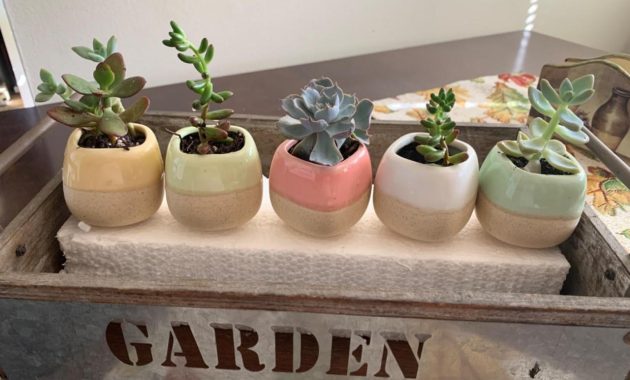
Different home décor styles can be beautifully complemented by indoor plants, creating a cohesive and harmonious aesthetic. Each décor style has its own unique characteristics, and incorporating plants can enhance these traits. For instance, in a minimalist setting, a single, well-placed succulent can serve as a focal point without overwhelming the space. In contrast, bohemian décor thrives on diversity and abundance; a mix of hanging plants and floor greenery can create a lush, vibrant atmosphere.
Similarly, in a traditional home, potted ferns or classic fiddle leaf figs can add a touch of elegance.Here are some styles of home décor and the types of indoor plants that complement them:
- Modern: Opt for sleek planters with architectural plants like snake plants or ZZ plants.
- Rustic: Use wooden or ceramic pots with trailing vines like pothos and spider plants.
- Industrial: Incorporate hardy plants like rubber trees in metal or concrete planters.
- Scandinavian: Choose light-colored pots with minimalistic designs, featuring plants like peace lilies or small cacti.
- Eclectic: Mix various plant types and sizes, such as bird of paradise with smaller succulents, to create a colorful display.
Integrating indoor plants into home décor not only beautifies spaces but also fosters a connection to nature, which can be particularly soothing in urban environments. The diverse range of plants available allows individuals to express their personal style while reaping the numerous benefits that indoor greenery provides.
Top Indoor Plants to Brighten Your Home

Indoor plants can significantly enhance the aesthetic appeal of your living space while also improving air quality. By introducing vibrant greens and colorful blooms into your home, you can create a lively atmosphere that is not only welcoming but also healthy. Let’s explore some of the top indoor plants that can brighten your home’s décor.
Popular Indoor Plants with Vibrant Colors
Several indoor plants are known not just for their greenery, but also for their stunning colors and unique features. Here are some popular choices that can add a splash of color to your home:
- Peace Lily (Spathiphyllum):
The Peace Lily is admired for its elegant white flowers and glossy dark green leaves. It thrives in low light conditions and can improve indoor air quality by removing toxins. Additionally, it requires minimal care and only needs watering when the soil feels dry. - Calathea:
Known for its striking leaf patterns and vibrant colors, the Calathea comes in various species, each offering unique hues and designs. These plants prefer indirect sunlight and high humidity, making them perfect for bathrooms or kitchens. - Chinese Evergreen (Aglaonema):
With its rich green leaves often splashed with silver or red, the Chinese Evergreen is a resilient plant that can adapt to low light. Its air-purifying abilities contribute to a healthier living environment, and it’s known for being easy to propagate. - Dracaena Marginata:
This plant features long, slender leaves with a striking red edge that can grow several feet tall, making it an attractive focal point. Dracaena is well-suited for low-light areas and requires minimal watering, allowing it to thrive with little effort. - Rubber Plant (Ficus elastica):
The Rubber Plant boasts glossy, deep green leaves that can also show hints of burgundy. It prefers bright, indirect light but is forgiving of lower light levels. Additionally, it helps to purify the air while adding a touch of sophistication to your decor.
Low-Light Plants Suitable for Different Areas
When selecting indoor plants, it’s essential to consider the light conditions of various areas in your home. Here’s a comparison of low-light plants that can thrive in different spaces:
| Plant | Ideal Location | Unique Features |
|---|---|---|
| Snake Plant (Sansevieria) | Living Room or Bedroom | Known for its upright, sword-like leaves, it’s virtually indestructible and can survive in low light and neglect. |
| Pothos | Office or Study | With its trailing vines and heart-shaped leaves, this plant can adapt to various lighting conditions and is easy to propagate. |
| ZZ Plant (Zamioculcas zamiifolia) | Hallway or Bathroom | This plant features shiny, dark green leaves and requires very little water, making it perfect for low-light and humid environments. |
| Spider Plant (Chlorophytum comosum) | Kitchen or Dining Area | With its arching leaves and small white flowers, it is not only decorative but also excellent at purifying the air. |
“Indoor plants not only enhance the visual appeal of a home but also contribute to a healthier living environment through improved air quality.”
Plant Care Tips for Homeowners: Indoor Plants That Will Brighten Your Home’s Décor
Indoor plants can transform your living space, but they require proper care to thrive. A little attention goes a long way in ensuring your green companions live long, healthy lives. Understanding the needs of your plants and addressing common challenges will enhance both your plants’ health and your home décor. This guide Artikels essential care tips, highlights potential issues that may arise, and provides a care schedule for optimal plant health.
Essential Care Tips for Indoor Plants
Caring for indoor plants involves understanding their specific needs, including light, water, and humidity. Here are some fundamental tips to keep your plants happy and vibrant:
- Light Requirements: Different plants have varying light needs. Place your plants according to their preferences for best growth; for example, succulents thrive in bright light while ferns prefer indirect light.
- Watering: Overwatering is a common mistake. Water your plants when the top inch of soil feels dry. Always ensure pots have drainage holes to prevent root rot.
- Humidity Levels: Many indoor plants prefer higher humidity. You can increase humidity by misting your plants regularly or placing a tray of water near them.
- Fertilizing: Use a balanced fertilizer every few months during the growing season (spring and summer) to provide essential nutrients.
- Pruning: Regularly trim dead leaves and spent flowers to encourage new growth and maintain an attractive appearance.
Common Issues and Resolutions in Plant Care
Even with the best intentions, issues can arise when caring for indoor plants. Here are some frequent problems and their solutions:
- Yellowing Leaves: This can indicate overwatering or nutrient deficiency. Check soil moisture levels and consider fertilizing.
- Pest Infestation: Common pests like spider mites and aphids can harm plants. Treat infestations with insecticidal soap or neem oil.
- Wilting Leaves: Wilting may be due to underwatering or environmental stress. Ensure consistent watering and appropriate placement away from drafts.
- Leaf Drop: Sudden leaf drop can signal shock from temperature changes or overwatering. Gradually acclimate plants to new environments.
Care Schedule for Optimal Plant Health, Indoor Plants That Will Brighten Your Home’s Décor
Establishing a care schedule can help you stay organized and ensure that your plants receive the attention they need. Here’s a simple weekly and monthly guideline:
| Frequency | Task |
|---|---|
| Weekly | Check moisture levels and water as needed; wipe leaves to remove dust. |
| Bi-weekly | Rotate pots to ensure even growth and exposure to light. |
| Monthly | Fertilize during the growing season; prune dead or unhealthy leaves. |
| Seasonally | Repot plants if they outgrow their containers; check for pests and treat accordingly. |
Regular maintenance and observation are key to successful indoor plant care.