The Growing Trend of Sustainable and Handmade Home Décor is reshaping how we perceive our living spaces, blending artistry with eco-consciousness. As consumers become more aware of environmental issues, the demand for sustainable practices in home décor has surged. This shift not only promotes a healthier planet but also invigorates local economies and fosters a sense of community among artisans and creators who pour their passion into handmade products.
From choosing sustainable materials to embracing the unique charm of handmade items, homeowners are increasingly looking to reflect their values in their interiors. This trend celebrates individuality while prioritizing eco-friendly choices, offering a wealth of options for those who wish to create beautiful and responsible living environments.
Understanding Sustainable Home Décor
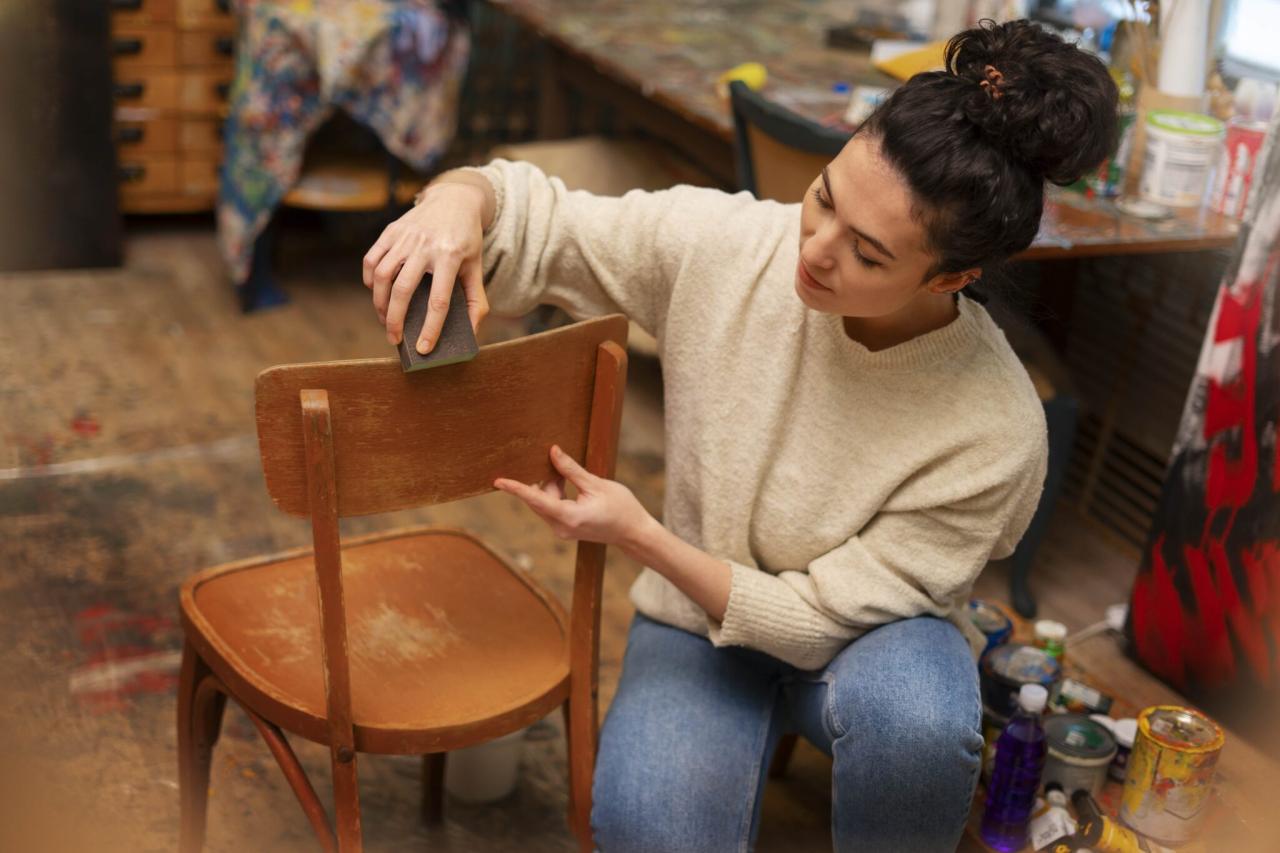
The concept of sustainable home décor embodies a commitment to creating a living environment that respects the planet while promoting aesthetic appeal. This approach emphasizes the use of eco-friendly materials, energy-efficient designs, and practices that reduce waste. By integrating sustainable principles into home décor, individuals not only enhance their living spaces but also contribute to a larger movement towards environmental consciousness.Sustainability in home décor revolves around three core principles: reducing resource consumption, reusing materials, and recycling.
By selecting products made from renewable resources or those that have been repurposed, homeowners can significantly decrease their ecological footprint. The use of sustainable materials—such as bamboo, reclaimed wood, or recycled metals—not only minimizes the depletion of natural resources but also leads to a reduction in pollution and waste.
Environmental Benefits of Using Sustainable Materials
Choosing sustainable materials for home décor yields numerous environmental benefits that can have a lasting impact. These materials often come from renewable sources and are processed in ways that minimize harm to the environment. This approach fosters a healthier ecosystem by reducing reliance on fossil fuels and diminishing greenhouse gas emissions.
1. Reduction of Carbon Footprint
Sustainable materials often require less energy to produce. For instance, bamboo grows rapidly and does not need pesticides, making it a much more eco-friendly option compared to traditional hardwoods.
2. Decreased Toxicity
Many conventional home décor materials release volatile organic compounds (VOCs) that can be harmful to indoor air quality. Sustainable options, such as natural paints and finishes, help create a healthier living environment.
3. Conservation of Biodiversity
Utilizing materials sourced from responsibly managed forests and farms helps preserve ecosystems and wildlife habitats, promoting biodiversity in the process.
“By choosing sustainable materials, homeowners are not just beautifying their spaces but also participating in the global effort to protect the planet.”
Impact of Sustainable Home Décor on Local Economies
The rise of sustainable home décor has the potential to significantly bolster local economies. When consumers choose handmade or locally sourced items, they contribute directly to their communities, creating a ripple effect that benefits various sectors. The implications include:
Job Creation
Supporting local artisans and businesses involved in sustainable practices generates employment opportunities, which can lead to economic growth within the community.
Strengthening Local Markets
By prioritizing local materials and crafts, communities can foster a robust market for sustainable goods, encouraging other businesses to adopt eco-friendly practices.
Cultural Preservation
Many handmade décor items are rooted in cultural traditions. Supporting these crafts helps to preserve local heritage and promotes the diversity of cultural expressions.In essence, the trend toward sustainable home décor not only enhances personal living spaces but also contributes to the health of the planet and the vitality of local economies.
The Rise of Handmade Home Décor
The handmade home décor movement has gained notable momentum in recent years, as consumers increasingly gravitate towards unique, artisan-crafted pieces that enhance their living spaces. This trend reflects a broader shift towards individuality and authenticity, where people seek to surround themselves with items that tell a story and possess character. As mass-produced goods become ubiquitous, the charm of handmade décor stands out, inviting warmth and personality into homes.Artisans and creators play a pivotal role in the handmade home décor movement.
These skilled individuals often pour their hearts and creativity into every piece they make, resulting in products that are not only aesthetically pleasing but are also imbued with passion and craftsmanship. Many artisans prioritize sustainable practices, using eco-friendly materials and traditional techniques that have been passed down through generations. This not only elevates the quality of their work but also fosters a deeper connection between the creator and the buyer, as consumers appreciate the narrative behind each item.
Popular Handmade Items in the Market, The Growing Trend of Sustainable and Handmade Home Décor
As the demand for handmade home décor continues to rise, a variety of items have captured the attention of consumers. Each of these products carries with it a unique touch that mass-produced items often lack. Here are some trending handmade items that are making a mark in the home décor market:
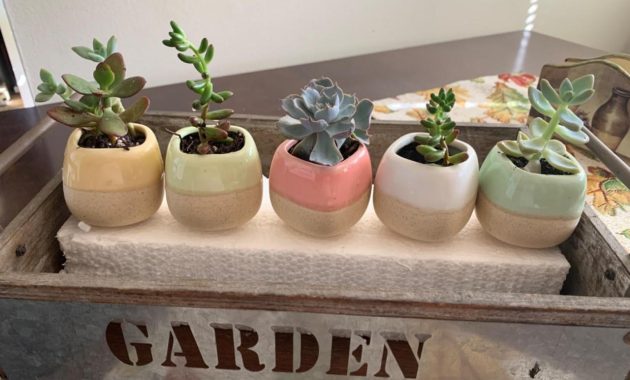
- Handcrafted Pottery: Unique ceramic pieces, ranging from planters to dinnerware, showcase artisanal skill and creativity. Each piece often features distinct glazes and shapes, making them one-of-a-kind.
- Woven Textiles: Handmade rugs, throws, and wall hangings are gaining popularity for their texture and warmth. Artisans often use traditional weaving techniques that add depth and character to interior spaces.
- Custom Wooden Furniture: Furniture pieces made from reclaimed wood or sustainably sourced materials resonate with eco-conscious consumers. Each item tells a story through its natural imperfections.
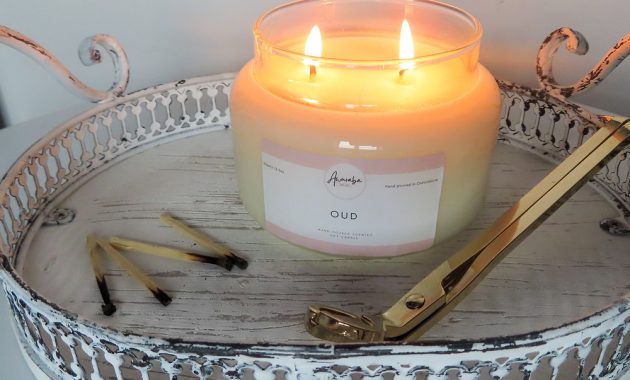
- Artisan Candles: Hand-poured candles made with organic wax and infused with natural scents create a cozy ambiance. Many artisans offer unique designs and eco-friendly packaging.
- Hand-Painted Artwork: Original pieces from local artists bring color and individuality to walls. These artworks can range from abstract designs to realistic representations of nature, enhancing the overall aesthetic of a home.
The rise of handmade home décor signifies a move towards personalization and sustainability in interior design. By choosing handmade items, consumers are not just decorating their spaces; they are supporting artisans and embracing a more thoughtful approach to their living environments.
Materials Used in Sustainable and Handmade Décor
In the realm of sustainable and handmade home décor, the choice of materials plays a crucial role in defining not only the aesthetic appeal but also the ecological impact of the products we choose to bring into our homes. As consumers become more conscious about their environmental footprint, there is a growing shift from traditional materials to more sustainable alternatives that are both eco-friendly and ethically sourced.
When we compare traditional materials commonly used in home décor with their sustainable counterparts, it becomes evident that the latter not only offers a lower environmental impact but also promotes a more responsible approach to consumption. Sustainable materials often include renewable resources and recycled components, whereas traditional materials may rely on processes that deplete natural resources or involve harmful production methods.
Types of Materials Commonly Used in Handmade Décor
Handmade décor often showcases a variety of materials that are both natural and sustainable, reflecting the artisan’s creativity and commitment to environmental responsibility. Here are some of the most commonly used materials:
- Bamboo: Known for its rapid growth and renewability, bamboo is a versatile material used in items ranging from furniture to decorative accents. Its strength and lightweight nature make it a popular choice.
- Cork: Harvested from the bark of cork oak trees without harming the tree itself, cork is an eco-friendly option for flooring, wall coverings, and even accessories. It is naturally water-resistant and highly durable.
- Reclaimed Wood: Utilizing wood from old buildings or furniture not only reduces waste but also adds character and history to décor items. Reclaimed wood is often transformed into stunning furniture pieces or wall art.
- Organic Cotton: This material is grown without synthetic pesticides or fertilizers, making it a healthier choice for both the environment and consumers. It is commonly used in textiles, such as cushions and curtains.
- Jute and Hemp: Both are biodegradable and renewable fibers that are often used in rugs, bags, and other decorative items. They contribute to reducing the reliance on synthetic materials.
The importance of sourcing materials ethically cannot be overstated. Ethically sourced materials ensure fair labor practices and support local communities, which aligns with the values of sustainability. Purchasing products made from ethically sourced materials not only contributes to environmental conservation but also promotes social responsibility. Artisan crafts that highlight local resources and traditional skills foster a sense of community and cultural heritage, making each piece unique and meaningful.
In conclusion, the materials used in sustainable and handmade décor are a testament to the evolving landscape of home design, where style meets responsibility, and every choice has an impact.
Popular Trends in Sustainable Décor
As the world becomes increasingly aware of environmental issues, sustainable décor has taken center stage in home design. The movement towards eco-friendly living is not just a trend, but a necessary shift in how we view our living spaces. Sustainable décor emphasizes the importance of using materials, methods, and designs that are kind to the planet while also providing beauty and functionality.Current design trends highlight an appreciation for both aesthetic appeal and environmental responsibility.
Homeowners are now more inclined to choose décor that reflects their values, showcasing a harmonious blend of nature with modernity. This shift has led to a plethora of creative ideas that prioritize sustainability without sacrificing style.
Current Design Trends That Prioritize Sustainability
Today’s sustainable décor trends embody various elements that merge functionality with eco-consciousness. These trends include:
1. Biophilic Design
This approach incorporates natural elements into interiors, promoting a connection to nature and enhancing the well-being of inhabitants. Features may include indoor plants, natural light, and organic materials.
2. Upcycling
Transforming old items into new décor pieces reduces waste and showcases creativity. Furniture made from reclaimed wood or repurposed materials is increasingly popular.
3. Minimalism
Embracing simplicity by using fewer items and choosing multifunctional furniture minimizes resource use while creating a clean, calming space.
4. Local Sourcing
Furniture and décor made from locally sourced materials support local economies and reduce transportation emissions, making it a more sustainable choice.
Eco-Friendly Color Palettes for Home Décor
Color plays a vital role in setting the mood of a space, and eco-friendly color palettes are increasingly popular among those seeking sustainable living. The following palettes are not only aesthetically pleasing but also reflect a commitment to sustainability:
Earth Tones
Shades of browns, greens, and muted blues evoke a sense of tranquility and connection to nature.
Soft Pastels
Light colors like soft pinks, gentle blues, and muted yellows can create a serene environment, promoting relaxation.
Neutral Shades
Whites, creams, and grays can create a calming backdrop, allowing natural elements and textures to take center stage.
Bold Accents
Using vibrant colors derived from natural pigments can bring life to a space while maintaining an eco-friendly approach.
Incorporating Nature-Inspired Elements into Interiors
Integrating nature-inspired elements into home décor creates a refreshing ambiance and promotes a sense of well-being. Here are some effective ways to incorporate these elements:
Natural Materials
Use furniture and accessories made from wood, stone, and other organic materials to create a tactile connection to the environment.
Indoor Plants
Adding greenery not only beautifies a space but also improves air quality. Consider a variety of plants, from succulents to larger potted trees, to enhance your décor.
Nature-Inspired Textiles
Opt for fabrics that feature botanical prints or earthy textures, using organic cotton or linen to further emphasize sustainability.
Natural Light
Design layouts that maximize natural light, employing large windows or skylights to connect indoor spaces with the outdoors.
Art and Decor
Choose artwork that depicts natural landscapes or wildlife, serving as a reminder of the beauty of nature and its importance.By embracing these trends, homeowners can create spaces that not only look beautiful but also contribute positively to the environment.
DIY Projects for Sustainable Home Décor
Creating sustainable home décor is not only beneficial for the environment but also allows for a touch of personal creativity. Engaging in DIY projects can help you develop a unique and meaningful living space while minimizing waste. By repurposing materials and crafting new items, you can make your home both stylish and eco-friendly.One of the most appealing aspects of DIY projects is the ability to transform everyday items into beautiful décor pieces.
This not only reduces waste but also gives a personal touch to your surroundings. Below are some engaging DIY projects you can undertake to enhance your home décor sustainably.
Step-by-Step Procedures for Creating DIY Décor Items
Embarking on DIY projects can be quite fulfilling. Here are simple steps to create a charming macramé wall hanging:
1. Materials Needed
Gather cotton cord, a wooden dowel, scissors, and a measuring tape.
2. Cut the Cord
Cut several lengths of cord, around 3 to 4 times the desired length of the wall hanging.
3. Attach to Dowel
Fold the cord in half and attach it to the dowel using a lark’s head knot.
4. Knotting
Use square knots or other macramé techniques to create patterns or designs.
5. Finishing Touches
Once you’re satisfied with the design, trim the ends to your desired length and hang it on your wall.This project not only beautifies your space but also provides a relaxing and meditative crafting experience.
Repurposing Old Items into New Décor Pieces
Repurposing old items can breathe new life into objects that may otherwise end up in landfills. Here are some ideas that demonstrate the value of creativity in reusing:
Glass Jar Lanterns
Old glass jars can serve as beautiful lanterns. Clean the jars, paint them if desired, and insert a tealight or LED candle. They can be hung or placed around your home for cozy lighting.
Bookshelf from Old Pallets
Wooden pallets can be transformed into rustic bookshelves. Sand down the pallets to remove splinters, stack them, and secure them with screws. This adds a unique touch to your home while promoting recycling.
Wine Bottle Vases
Empty wine bottles can be converted into elegant vases. Remove the labels, clean the bottles, and paint or decorate them. Fill them with fresh or dried flowers to enhance your interior’s aesthetic.
Designing Eco-Friendly Home Accessories
Designing accessories with sustainability in mind can significantly contribute to a greener home. Consider the following techniques:
Natural Dyes for Fabrics
Use natural materials like beet juice, turmeric, or avocado pits to dye old fabrics. This not only gives textiles a new look but also avoids the harsh chemicals found in synthetic dyes.
Concrete Coasters
Create coasters using eco-friendly concrete mix. Pour the mix into silicone molds, and once dry, you can paint or leave them as is for a minimalist look.
Recycled Paper Art
Gather scrap paper and create art pieces or decorations. Techniques like origami or paper mache can help in designing unique wall art or sculptures.Each of these projects reflects a commitment to sustainability while allowing your personal style to shine. Embracing DIY sustainable home décor not only enhances your living space but also contributes positively to the environment.
The Role of Technology in Sustainable Décor
As the world shifts towards more eco-conscious living, technology plays a pivotal role in revolutionizing sustainable home décor. Innovations are not only making sustainable options more accessible but also enhancing the design process, thereby allowing homeowners to create beautiful, environmentally friendly spaces. The integration of technology in this sector is paving the way for smarter choices, better resource management, and a deeper connection to the materials we choose.Technological advancements are continually shaping sustainable home décor options.
From smart home systems that optimize energy efficiency to platforms that connect consumers with sustainable products, technology is facilitating a transition to greener living. The rise of sustainable design software and applications helps homeowners visualize and plan their spaces effectively while prioritizing eco-friendly materials and practices.
Design Software and Applications for Sustainable Interiors
Several software tools and mobile applications assist in creating sustainable interior designs. These platforms enable users to explore various sustainable materials, visualize their designs, and make informed choices that align with environmental values. Notable examples include:
- SketchUp: This design tool allows users to create 3D models while incorporating sustainable materials and practices into their designs. It includes features that help assess the environmental impact of chosen materials.
- Houzz: Houzz connects users with professionals who specialize in sustainable design, helping homeowners find ideas and products that align with their eco-friendly goals.
- EcoDesigner: A plugin for ArchiCAD, EcoDesigner helps architects and designers assess the environmental footprint of their projects, ensuring that sustainability is prioritized from the onset.
Innovations in Sustainable Materials and Production
The evolution of sustainable materials is driven by technological advancements and innovative production methods. These materials not only reduce environmental impact but also enhance the aesthetic appeal of home décor. Key innovations include:
- Recycled Materials: Many companies are integrating recycled plastics, metals, and textiles into their products. For instance, furniture made from recycled wood or plastic not only minimizes waste but also adds unique character to home interiors.
- Bamboo: As a fast-growing renewable resource, bamboo is being utilized in flooring, furniture, and accessories, offering a stylish and sustainable alternative to traditional materials.
- Biodegradable Fabrics: Innovations in textiles, such as organic cotton and hemp, are gaining traction. These materials are grown without harmful pesticides and are fully biodegradable, reducing their environmental footprint significantly.
- Smart Materials: Emerging technologies have led to the development of materials that adapt to environmental changes. For example, phase-changing materials can regulate indoor temperature, reducing the need for artificial heating or cooling.
“The future of sustainable décor lies in the intersection of technology and creativity, where innovation meets responsible design.”
Consumer Behavior and Sustainable Choices: The Growing Trend Of Sustainable And Handmade Home Décor
The shift towards sustainable and handmade home décor is not just a trend; it’s a reflection of changing consumer behavior that prioritizes environmental responsibility and authenticity. As consumers become more conscious of their choices, various factors influence their decisions to opt for sustainable products over conventional options.One of the main influences on consumer choices towards sustainable products is the increasing awareness of environmental issues.
Factors such as climate change, pollution, and resource depletion have led many individuals to consider the ecological footprint of their purchases. Additionally, the rising popularity of social media has played a pivotal role in spreading awareness about sustainable practices and products, prompting consumers to seek out brands that align with their values.
Influence of Handmade vs. Mass-Produced Items
When it comes to consumer attitudes, there is a noticeable preference for handmade items over mass-produced alternatives. This preference can be attributed to several key factors that resonate with consumers looking for sustainable options:
- Uniqueness: Handmade items often carry a unique character that mass-produced items cannot replicate. This uniqueness is appealing to consumers who value individuality in their décor.
- Quality: Many consumers perceive handmade products as being of higher quality because they are crafted with care and attention to detail, contrasting with the often impersonal nature of mass-produced goods.
- Support for Artisans: Purchasing handmade items supports local artisans and small businesses, fostering a sense of community and helping to sustain local economies.
- Connection to Values: Handmade items often come with a story behind them, creating an emotional connection for consumers who appreciate the artistry and labor involved.
The importance of transparency in product sourcing cannot be overstated. Consumers today are increasingly demanding information about where and how products are made. This transparency not only builds trust between brands and consumers but also empowers individuals to make informed choices.
“Transparency is the foundation of trust in the relationship between consumers and brands.”
Factors that enhance transparency include clear labeling of materials used, ethical sourcing practices, and an open dialogue about the production process. Brands that prioritize transparency are often more likely to attract and retain customers who are committed to sustainability.In summary, the consumer’s journey towards sustainable choices is guided by a combination of environmental awareness, a preference for uniqueness and quality in handmade products, and an expectation for transparency in the sourcing of materials.
These elements collectively shape the landscape of sustainable home décor, driving a more conscious approach to consumer behavior.
The Future of Sustainable and Handmade Home Décor
As we move further into the 21st century, the landscape of home décor is evolving with a strong focus on sustainability and craftsmanship. The growing awareness of environmental issues and the shift toward eco-friendly living have led to a significant transformation in consumer preferences. This section explores the future trajectory of sustainable design, the challenges faced by the handmade décor industry, and actionable ways for consumers to support sustainable practices.
Predictions for the Future Trajectory of Sustainable Design
The future of sustainable and handmade home décor is likely to be shaped by several key trends. One of the most pronounced shifts will be the integration of smart technology in sustainable design, enhancing the functionality of eco-friendly products. For instance, intelligent systems that optimize energy use in home lighting and temperature control will become commonplace. Additionally, consumers are expected to favor designs that incorporate upcycled materials, further reducing waste in the production process.
Another prediction involves the rise of community-based production models, where local artisans and craftspeople collaborate to create unique, culturally relevant pieces. This not only supports local economies but also promotes the idea of slow living, where quality is prioritized over quantity. As consumers become more conscious of their environmental footprint, the demand for transparency in sourcing and production methods will lead brands to adopt more ethical practices.
Challenges Facing the Handmade Décor Industry
Despite the positive outlook, the handmade décor industry faces several challenges that could impact its growth. One primary concern is scalability; while handmade items offer unique qualities, mass production often comes at the expense of craftsmanship. This presents a dilemma for artisans attempting to meet increasing consumer demand without compromising on quality. Another challenge is competition from cheaper, mass-produced alternatives that may deter consumers from choosing handmade products.
Additionally, the ongoing impact of global supply chain disruptions, as seen during the COVID-19 pandemic, highlights the vulnerability of small-scale operations reliant on specific materials and local markets. As such, the handmade décor industry must find innovative solutions to navigate these challenges while maintaining its core values.
Ways Consumers Can Support Sustainable Practices in Home Décor
Consumers play a crucial role in fostering sustainable practices within the home décor industry. By making informed choices, they can drive demand for eco-friendly products and support local artisans. Here are some effective ways to contribute:
- Prioritize purchases from local artisans and small businesses, which helps sustain local economies and reduces carbon footprints associated with long-distance shipping.
- Choose items made from sustainable materials, such as reclaimed wood, organic textiles, and non-toxic finishes, to reduce environmental impact.
- Invest in quality over quantity by selecting timeless pieces that endure trends, reducing the frequency of replacements.
- Participate in or support workshops that promote DIY projects, enabling individuals to create their own sustainable décor items while learning valuable skills.
- Advocate for transparency in production processes by supporting brands that provide clear information about their materials and manufacturing practices.