The Ultimate Guide to Online Fashion Shopping is your go-to resource for navigating the exciting world of purchasing fashion items online. As we shift from traditional brick-and-mortar stores to digital platforms, understanding the nuances of online fashion shopping becomes essential. This guide explores the evolution of fashion retail, highlights the benefits of shopping online, and shares key statistics that showcase the remarkable growth of this sector.
From choosing the right online store to ensuring a perfect fit and making secure payments, this guide covers it all. You’ll gain insights into shipping options, outfit coordination, return processes, and even sustainable fashion choices, providing a comprehensive view of what to expect in your online shopping journey.
Introduction to Online Fashion Shopping
The landscape of fashion shopping has transformed dramatically over the years, evolving from traditional brick-and-mortar stores to dynamic online platforms that offer consumers an unparalleled shopping experience. This shift has not only changed how people shop but also how brands engage with their customers, making fashion more accessible than ever before.The transition from physical stores to online shopping has introduced numerous advantages.
Online fashion shopping offers convenience, a wider selection of products, and often better pricing due to reduced overhead costs for retailers. Consumers can browse countless styles from the comfort of their homes, compare prices effortlessly, and access exclusive online deals. The ability to read reviews and view detailed product descriptions enhances the shopping experience, making consumers feel more confident in their purchases.
Growth of Online Fashion Retail
The online fashion retail market has seen remarkable growth over the past decade, significantly altering the retail landscape. This growth is driven by various factors, including technological advancements, changing consumer behaviors, and the proliferation of mobile shopping.The following statistics highlight the rapid growth and importance of online fashion retail:
- According to Statista, the global online fashion market revenue is expected to reach approximately $765 billion by 2024, up from $481 billion in 2021.
- A survey by McKinsey & Company indicates that 30% of consumers are considering shopping online more than in physical stores post-pandemic, reflecting a permanent behavior change.
- As of 2022, online fashion retail accounted for over 20% of total fashion sales globally, demonstrating the significant market share held by e-commerce.
- Research from Shopify shows that 63% of online shoppers prefer to shop at brands that offer customized experiences, showcasing the importance of personalization in online fashion shopping.
The surge in online fashion shopping has also prompted brands to innovate, adopting technologies such as augmented reality (AR) to enhance the customer experience. For instance, brands like ASOS have incorporated virtual fitting rooms that allow shoppers to visualize how clothing will look on them without trying it on physically.
“The digital transformation in fashion shopping has not only made it more accessible but has also redefined consumer engagement.”
Overall, the growth of online fashion retail is a testament to the changing landscape of consumer behavior and technology’s role in retail, setting the stage for further innovations in how fashion is experienced and purchased.
Choosing the Right Online Store: The Ultimate Guide To Online Fashion Shopping
Selecting the perfect online fashion store can significantly enhance your shopping experience. With a multitude of options available, it’s essential to evaluate each retailer’s credibility and offerings carefully. A good store not only provides an extensive collection of fashionable items but also ensures a smooth shopping process and reliable customer service.When evaluating an online retailer, consider various factors such as user reviews, website security, and the overall reputation of the brand.
Reliable online stores prioritize customer satisfaction, which is reflected in positive feedback and return customers.
Evaluating Credibility of Online Retailers
To ensure that you are choosing a trustworthy online fashion retailer, it is crucial to assess their credibility. Here are some key aspects to consider:
- Secure Website: Look for HTTPS in the URL, which indicates a secure connection. This is particularly important when entering personal information.
- User Reviews: Check independent review platforms and social media for customer experiences. Consistent positive feedback can indicate reliability.
- Contact Information: A credible retailer will provide clear contact details, including a phone number and email address, making it easy to reach customer service.
- Return and Exchange Policies: Transparent and fair return policies are a hallmark of reputable retailers, ensuring that you can shop worry-free.
Popular Online Fashion Stores with Unique Offerings
Choosing the right online store can also depend on what unique offerings they provide. Here’s a list of some popular online fashion retailers known for their distinctive collections:
- ASOS: Known for its vast array of trendy clothing for young adults and a wide range of sizes, including plus sizes.
- Zalando: Offers a diverse selection of high-end brands and luxury items, catering to fashion-forward consumers.
- Nordstrom: Renowned for excellent customer service and a premium selection of designer wear.
- Forever 21: Popular among budget-conscious shoppers, providing stylish and affordable options for the latest fashion trends.
- Shopbop: Focused on women’s fashion, this retailer is known for its curated selection of contemporary brands.
Importance of Returns and Exchange Policies
Understanding a retailer’s return and exchange policy is crucial before finalizing your purchase. A favorable return policy can alleviate the stress of online shopping, as it allows you to return items that may not fit or meet your expectations. Key points to consider include:
- Time Frame: Look for retailers that offer at least 30 days for returns, providing ample time for you to decide on your purchase.
- Condition for Returns: Check whether items must be unworn and with original tags for a refund.
- Free Returns: Some retailers offer free return shipping, which can save you money and simplify the process.
- Exchange Options: Understand if the retailer allows for easy exchanges for different sizes or colors without hassle.
Understanding Sizing and Fit
Accurate sizing guides are crucial in the world of online fashion shopping, where the inability to try items on can lead to a frustrating experience. Each brand may have its own sizing standards, which means that shopping from different retailers can yield varying fits, even for the same size label. Thus, understanding how to navigate these discrepancies can enhance your shopping experience and help you find the perfect fit.To achieve the best fit when shopping online, it’s essential to take your measurements accurately.
This involves knowing your body measurements and comparing them to the sizing charts provided by the retailers. Proper measuring can prevent the hassle of returns and exchanges. Here’s how to measure yourself effectively:
Methods to Measure Yourself for Perfect Fit
Accurate measurements are the foundation of finding the right clothing size. Here are the key measurements you should take:
- Chest/Bust: Measure around the fullest part of your chest, keeping the tape level and snug but not tight.
- Waist: Measure around your natural waistline, typically located just above your belly button.
- Hips: Measure around the widest part of your hips, ensuring the tape is parallel to the ground.
- Inseam: For pants, measure from the top of your inner thigh down to the ankle bone.
- Shoulder Width: Measure from the edge of one shoulder to the edge of the other while standing straight.
A tape measure is essential for these measurements, and it’s advisable to wear form-fitting clothing or measure without clothing for the most accurate results.
Size Chart Comparison from Different Brands
Navigating various size charts from different brands can be daunting. Below is a table comparing size charts from several popular retailers to help you understand the differences and make informed decisions.
| Brand | Small (S) | Medium (M) | Large (L) | Extra Large (XL) |
|---|---|---|---|---|
| Brand A | 4-6 | 8-10 | 12-14 | 16-18 |
| Brand B | 0-2 | 4-6 | 8-10 | 12-14 |
| Brand C | 6-8 | 10-12 | 14-16 | 18-20 |
| Brand D | XS | S | M | L |
Understanding these differences allows customers to make better choices when selecting sizes, thereby reducing the likelihood of receiving items that don’t fit properly. Always check the specific sizing guide of each retailer before making a purchase, as this can save time and enhance your online shopping experience.
Payment and Security Measures
In the realm of online fashion shopping, ensuring secure transactions is paramount. The convenience of browsing through collections and making purchases from the comfort of one’s home comes with the responsibility of safeguarding sensitive information. Understanding the various payment options and adopting best practices can significantly enhance your online shopping experience while minimizing risks.
Ensuring Secure Transactions, The Ultimate Guide to Online Fashion Shopping
To guarantee safe online transactions, it’s essential to be aware of the security measures offered by online retailers. Look for indicators of security on websites, such as HTTPS in the URL, which denotes that the site uses encryption protocols to protect your data. Additionally, reputable websites often display trust seals from third-party security companies that validate the site’s security measures.It’s also vital to monitor your accounts regularly for any unauthorized transactions.
Using a virtual credit card number or a secure payment service can add an extra layer of protection. These services provide disposable numbers that can be used for online purchases, keeping your actual credit card information concealed.
Payment Options Available
Diverse payment options cater to different preferences and can impact the overall shopping experience. Here are the most common methods used for online fashion purchases:
- Credit and Debit Cards: The most widely accepted form of payment, offering buyer protection features. Major networks like Visa, MasterCard, and American Express provide secure transaction systems.
- Digital Wallets: Services like PayPal, Apple Pay, and Google Pay allow users to make purchases without sharing their credit card information directly with the retailer, enhancing security.
- Buy Now, Pay Later Services: Companies such as Afterpay and Klarna allow shoppers to split payments into installments, providing flexibility while encouraging responsible spending.
- Cryptocurrency: An emerging payment option, some retailers accept Bitcoin and other cryptocurrencies, appealing to tech-savvy consumers seeking anonymity and security.
When choosing a payment method, consider the level of security, transaction fees, and ease of use associated with each option.
Best Practices for Safeguarding Personal Information
Protecting your personal information while shopping online is crucial in preventing identity theft and fraud. Implement these best practices to safeguard your data:
- Use Strong Passwords: Create complex passwords that incorporate a mix of letters, numbers, and symbols. Avoid using easily guessable information such as birthdays or common words.
- Enable Two-Factor Authentication: When available, activate two-factor authentication on your accounts. This adds an extra security layer by requiring a second form of verification.
- Avoid Public Wi-Fi: Conduct transactions over secure, private networks. Public Wi-Fi can expose your connection to eavesdropping and cyber attacks.
- Limit Shared Information: Only provide necessary personal information when making a purchase. Reputable retailers do not require excessive data beyond what is essential for the transaction.
By following these practices, you can enjoy a safer online shopping experience, protect your personal data, and focus on finding the perfect fashion items without unnecessary worry.
Shipping and Delivery Options
Navigating the world of online fashion shopping isn’t just about what you buy; it’s also about how your purchases reach you. Understanding shipping and delivery options can significantly impact your shopping experience, from waiting times to costs. Let’s delve into the various methods available and what you should keep in mind when placing your order.Different shipping methods can have a considerable impact on delivery times, costs, and overall convenience.
Most online stores offer a range of shipping options, such as standard shipping, expedited shipping, and same-day delivery in certain areas. Standard shipping is typically the most economical choice but can take anywhere from 5 to 10 business days depending on the retailer and your location. Expedited shipping, while more expensive, often ensures your items arrive within 2 to 3 business days.
Same-day delivery is a great option if you need something urgently, but it’s generally limited to specific urban areas and comes at a premium price.
Order Tracking Methods
Once you’ve placed your order, tracking it effectively is crucial to knowing when to expect your delivery. Most online retailers provide a tracking number via email or within your account on their website, allowing you to monitor your package’s journey in real-time. This feature not only helps you stay informed but also provides peace of mind, especially when shipping times are longer than expected.
You can visit the carrier’s website, such as FedEx, UPS, or USPS, and input your tracking number to get updates on your shipment status.
Considerations for Express Shipping
Opting for express shipping can be a great choice for those in need of quick deliveries, but several factors should be considered before making that decision. Here are some important points to keep in mind:
- Cost: Express shipping often comes with a higher price tag. Compare costs between standard and express options to determine if the time saved is worth the expense.
- Delivery Time Guarantees: Understand the retailer’s guarantee on delivery times for express shipping. Some may offer refunds if the package doesn’t arrive as promised.
- Order Cut-off Times: Many retailers have specific cut-off times for same-day or next-day shipping. Be aware of these to ensure your order qualifies.
- Location: Consider your geographical location. Some remote areas may not be eligible for express shipping, or the delivery might still take longer than expected.
- Weather and Holidays: Keep in mind that adverse weather conditions and holiday seasons can impact delivery times, even for express services.
Styling and Outfit Coordination
When it comes to online fashion shopping, the thrill of receiving new items can sometimes overshadow the essential skills of styling and coordination. Successfully mixing and matching pieces you’ve purchased online can transform your wardrobe into a canvas of creativity, allowing for personal expression and versatility. This section will explore effective ways to create cohesive looks that reflect your style, as well as the influence of social media in shaping fashion choices.Understanding how to combine different items is crucial for building a wardrobe that not only looks good but also functions well for various occasions.
Whether dressing for work, a night out, or casual outings, the right combinations can elevate your overall appearance. Mixing textures, colors, and patterns can add depth to your outfits, while understanding the basics of outfit coordination ensures that you always look put-together.
Mixing and Matching Items
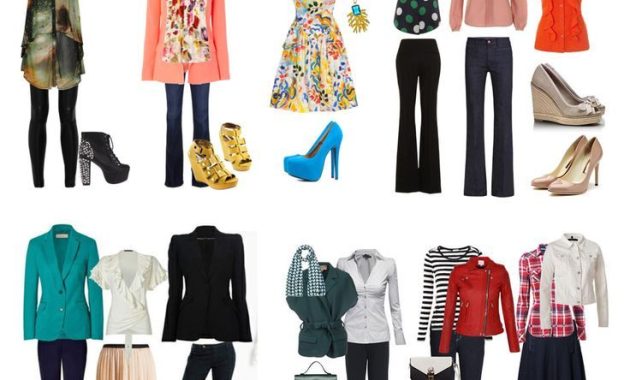
Creating a cohesive outfit requires a keen eye and some strategic planning. Consider these tips to help you style your online purchases effectively:
- Color Coordination: Stick to a color palette that complements your skin tone. Neutral colors often serve as a great base, allowing you to add in pops of color through accessories or statement pieces.
- Balance Proportions: Pair fitted items with looser silhouettes. For example, a tailored blazer looks great over a relaxed fit tee, creating a balanced silhouette.
- Layering: Use layers to add dimension to your outfit. A light cardigan or denim jacket can add warmth and style, especially in transitional seasons.
- Accessories: Don’t underestimate the power of accessories. A bold necklace or a chic scarf can completely transform a simple outfit, making it feel polished and unique.
- Mixing Patterns: If you love patterns, daring combinations can work too. Try pairing stripes with florals, but keep the color palette in mind to maintain harmony.
Social media platforms like Instagram and Pinterest serve as endless sources of fashion inspiration. Influencers and fashion enthusiasts often showcase creative ways to wear specific pieces, providing a treasure trove of ideas for outfit coordination. By following fashion-forward accounts, you can discover new styles, trends, and outfit ideas tailored to your personal tastes.
Essential Wardrobe Staples
When shopping online, it’s vital to build a foundation of essential wardrobe staples that can be mixed and matched seamlessly. These pieces not only enhance your outfit combinations but also ensure that you always have something stylish to wear. Here are some staples to consider:
- White Button-Down Shirt: A versatile piece that can be dressed up or down, ideal for layering.
- Classic Denim Jeans: A wardrobe must-have that pairs well with nearly anything.
- Little Black Dress: Perfect for various occasions, easily accessorized for different looks.
- Tailored Blazer: Instantly elevates any outfit, making it suitable for both professional and casual settings.
- Basic T-Shirts: Simple yet effective, they serve as a great base for layering or wearing alone.
- Comfortable Sneakers: Stylish and functional, ideal for dressing down an outfit or for casual outings.
- Chic Ankle Boots: A great alternative to heels, perfect for adding sophistication without compromising comfort.
With these styling tips and wardrobe staples in mind, you can confidently navigate the world of online fashion shopping, creating outfits that showcase your personal style while ensuring you always look effortlessly chic.
Return and Exchange Processes
When shopping online for fashion, returns and exchanges are essential components of the overall shopping experience. Although online retailers strive for high-quality products, situations may arise where an item simply doesn’t meet your expectations. Understanding the return and exchange processes can help alleviate any stress involved and ensure that you are satisfied with your purchases.Returning or exchanging items purchased online usually involves several key steps.
Begin by reviewing the retailer’s return policy, which can typically be found on their website. The policies will Artikel the timeframe for returns, conditions for items, and any associated fees. Once you’ve verified the eligibility of your item for return or exchange, follow these general steps:
1. Initiate the Return
This may involve filling out a return request form or contacting customer service for assistance. Some retailers offer an online portal for this purpose.
2. Prepare the Item
Repackage the item securely, including all original tags, packaging, and any accessories that came with it. This helps ensure that the item is eligible for a full refund or exchange.
3. Label and Ship the Package
Print the return label provided by the retailer if applicable. Some retailers may offer free return shipping, while others might deduct the shipping cost from your refund.
4. Track the Return
Keep a record of the tracking number until the item is received by the retailer. This allows you to follow up if there are any delays.
5. Receive Your Refund or Exchange
After the retailer processes your return, you will receive your refund via the original payment method or an exchange item will be sent to you.
Comparison of Return Policies
Understanding the differences in return policies among various online fashion retailers can help you make informed decisions. Policies can vary significantly in terms of ease of return, timeframe, and conditions. Here are examples from a few well-known retailers:
- Zappos: Known for its exceptional customer service, Zappos offers a 365-day return policy with free shipping on returns. Items can be returned or exchanged as long as they are unworn and in original packaging.
- ASOS: ASOS provides a 28-day return window, but customers are responsible for return shipping costs unless the item is faulty. The return process is straightforward, involving an online return portal.
- Amazon Fashion: Amazon allows returns within 30 days of receipt. However, the return shipping fee may apply unless the item is part of their free returns program. They also provide convenient drop-off options at select locations.
- Nordstrom: Nordstrom has a flexible return policy with no specific time limit for returns. Items must be in good condition, and customers can return items at any store location or by mail.
Understanding return policies is crucial for online shoppers, as it can save time and money in the long run. Each retailer’s approach reflects its commitment to customer satisfaction, and being aware of these details can enhance your shopping experience.
Examples of Necessary Returns
There are various scenarios that might necessitate a return or exchange of items purchased online. These situations can include:
- Wrong Size or Fit: It’s not uncommon to order a size that doesn’t fit as expected. For example, if you purchase a dress in your usual size but find it too tight or too loose, returning it for a different size is a common occurrence.
- Defective or Damaged Items: If an item arrives with a defect, such as a broken zipper or stains, it’s essential to return it. Prompt action can help you receive a replacement or refund quickly.
- Different from Expectations: Sometimes items may not look as they did online. If a shirt appears a different color or fabric than advertised, returning it may be necessary to find a more suitable option.
- Gift Returns: Receiving a clothing item that doesn’t suit your style or size as a gift often leads to returns. Many retailers provide gift receipts to simplify this process.
Handling returns in these situations typically involves clear communication with customer service. This ensures that any issues are addressed efficiently and that you receive the resolution you need.
Sustainable Fashion Choices
Sustainable fashion refers to a movement that advocates for environmentally friendly practices in the clothing industry, emphasizing responsible consumption, ethical production, and minimal waste. As online shopping continues to grow in popularity, it’s crucial for consumers to make informed choices that prioritize the planet and promote a healthier fashion ecosystem.Understanding sustainable fashion is not just about choosing organic fabrics or recycled materials; it also encompasses the entire lifecycle of a garment, from production to disposal.
Sustainable fashion plays a significant role in online shopping, as consumers can easily access a wide range of brands and products that adhere to eco-friendly practices. This helps shift the industry’s focus towards sustainability, encouraging more brands to adopt ethical practices and reduce their carbon footprint.
Identifying Eco-Friendly Brands
When shopping online, recognizing which brands are committed to sustainable practices is vital. This awareness can help you make conscious purchasing decisions. Look for the following indicators to identify eco-friendly brands:
- Certifications: Brands that possess certifications such as Global Organic Textile Standard (GOTS), Fair Trade, or OEKO-TEX demonstrate their commitment to sustainable practices.
- Material Transparency: Brands that openly disclose the materials they use, such as organic cotton, Tencel, or recycled fibers, are more likely to engage in sustainable practices.
- Ethical Labor Practices: Research brands that ensure fair wages and safe working conditions for their workers. Transparency in labor practices is a strong indicator of a brand’s ethical stance.
- Impact Claims: Brands that provide information about their environmental impact, such as carbon offsets or reductions in water usage, showcase their commitment to sustainability.
Sustainable Practices for Online Fashion Purchases
Adopting sustainable practices while shopping online can significantly lower your environmental impact. Here are some effective strategies to consider when making fashion purchases:
- Buy Less, Choose Wisely: Focus on quality over quantity. Invest in versatile pieces that can be styled in multiple ways, reducing the need for frequent purchases.
- Support Local Brands: Whenever possible, shop from local designers and businesses. This reduces the carbon footprint associated with shipping and supports the local economy.
- Embrace Second-hand Shopping: Explore thrift shops, vintage stores, and online resale platforms for unique fashion items. This practice extends the lifecycle of clothing and minimizes waste.
- Opt for Rental Services: For special occasions, consider renting clothing instead of buying. Many online platforms offer rental services that provide access to high-quality fashion without the commitment of ownership.
- Recycle and Upcycle: When decluttering your wardrobe, recycle old garments or find creative ways to upcycle them into new pieces, reducing landfill waste.
Future Trends in Online Fashion Shopping
The landscape of online fashion shopping is evolving rapidly, driven by technology and changing consumer preferences. As we look toward the future, several trends are set to reshape the way we shop for clothes online. Staying informed about these developments can empower consumers to make smarter purchasing decisions and embrace new shopping experiences.Emerging technologies are dramatically changing the online fashion shopping experience.
Innovations such as artificial intelligence (AI), augmented reality (AR), and virtual reality (VR) are playing a pivotal role. These technologies not only enhance personalization but also improve the way consumers visualize and interact with products before making a purchase. For example, AI algorithms can analyze browsing habits to suggest tailored outfits, while AR allows customers to virtually try on clothes, making the online shopping experience more immersive and user-friendly.
Emerging Technologies Shaping Online Fashion
Several key technologies are influencing the future of online fashion shopping. Here are some noteworthy advancements:
- Artificial Intelligence: AI is revolutionizing product recommendations and customer service through chatbots, improving user satisfaction.
- Augmented Reality: AR apps let users visualize how clothing will look on them, reducing hesitation and potential returns.
- 3D Printing: This technology allows for custom clothing production, enabling brands to offer personalized fit without excess inventory.
- Blockchain Technology: Ensures transparency in the supply chain, allowing consumers to verify the origins of their clothing and support ethical brands.
Trends for Consumers to Watch
As the online fashion sector develops, several trends are emerging that consumers should keep an eye on:
- Sustainable Fashion: There is a growing shift toward eco-friendly materials and ethical production practices, appealing to environmentally conscious shoppers.
- Second-Hand Shopping: The popularity of resale platforms is increasing, with consumers seeking unique pieces while minimizing waste.
- Customization: Increased demand for personalized items and experiences is encouraging brands to offer bespoke options.
- Social Shopping: The integration of shopping features in social media platforms is changing how consumers discover and buy fashion items.
Predicted Shifts in Consumer Behavior for the Next Decade
Understanding potential shifts in consumer behavior can help brands remain competitive. The following table Artikels anticipated changes in consumer priorities over the next ten years:
| Year | Key Consumer Behavior Shift | Impact on Online Shopping |
|---|---|---|
| 2025 | Increased focus on sustainability | Brands prioritizing eco-friendly practices will attract more customers. |
| 2027 | Rise in demand for virtual shopping experiences | More brands will invest in AR and VR technologies to enhance engagement. |
| 2029 | Shift towards second-hand and rental fashion | Resale platforms will become mainstream, influencing new purchasing habits. |
| 2030 | Prioritization of personalized shopping experiences | Greater use of AI for tailored recommendations will enhance customer satisfaction. |