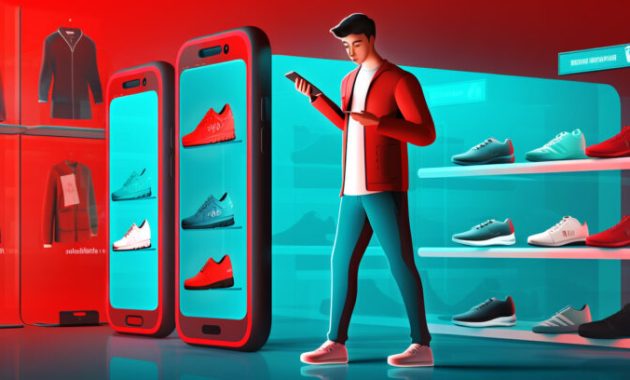
The Future of Fashion Shopping in the Metaverse is an exciting frontier where technology and creativity converge to transform how we experience fashion. Imagine a world where virtual storefronts invite you to browse the latest collections from your favorite brands without leaving your home. With advancements in virtual and augmented reality, brands are crafting immersive shopping experiences that engage consumers like never before.
This evolution not only redefines the shopping journey but also opens up new avenues for sustainability and innovation in the fashion industry.
As we delve deeper into this topic, we will explore the role of the metaverse in revolutionizing fashion retail, the unique consumer behaviors emerging in these digital spaces, and the potential economic impacts that could reshape the industry landscape.
The Concept of the Metaverse in Fashion
The metaverse represents a convergence of our physical and digital worlds, creating a shared, immersive online environment where users can interact, socialize, and conduct various activities, including shopping. In fashion, this digital landscape is revolutionizing the way consumers experience brands and make purchases. The metaverse enables shoppers to engage with fashion in ways that transcend traditional retail, offering unique experiences that blend creativity and technology.Technological advancements play a crucial role in facilitating the integration of fashion into the metaverse.
Innovations such as augmented reality (AR), virtual reality (VR), and blockchain are at the forefront of this transformation. AR allows customers to virtually try on clothes, while VR creates fully immersive shopping experiences where users can browse digital storefronts and attend fashion shows from the comfort of their homes. Blockchain technology ensures secure transactions and authenticity of digital fashion items, paving the way for the ownership of virtual goods.
Fashion Brands Exploring the Metaverse
A number of forward-thinking fashion brands are currently making strides in the metaverse, experimenting with various approaches to engage consumers in this new digital frontier. These brands are redefining the shopping experience by creating virtual spaces and unique digital products.
- Gucci: The luxury brand has ventured into the metaverse with a digital garden on Roblox, where users can explore and purchase virtual items inspired by Gucci’s real-world collections, such as handbags and clothing.
- Balenciaga: Balenciaga launched a digital collection in the popular video game Fortnite, allowing players to dress their avatars in the brand’s latest styles, merging gaming with high fashion.
- Nike: Nike has filed patents for virtual sneakers and is creating a digital marketplace within the metaverse, showcasing its commitment to establishing a presence in this evolving landscape.
- Ralph Lauren: The brand has entered the metaverse through collaborations with platforms like Fortnite, offering players exclusive in-game clothing and creating experiences that connect brand heritage with digital innovation.
These examples highlight how the metaverse is not merely a trend but a significant evolution in the fashion industry, opening up new avenues for brand engagement and consumer interaction. As the technology continues to advance, the potential for further integration of fashion within the metaverse appears boundless.
Virtual Shopping Experiences
In the evolving landscape of the metaverse, virtual shopping experiences are redefining how consumers engage with fashion brands. These experiences not only replicate physical shopping but also enhance it through innovative technology and immersive design. As more brands enter the metaverse, understanding the key design elements and features that enhance virtual shopping becomes crucial for creating engaging consumer experiences.Design elements play a significant role in crafting immersive virtual shopping environments.
A well-designed virtual store can captivate users and encourage them to explore products in a way that traditional e-commerce cannot.
Design Elements and Immersive Features
Several design elements and features contribute to immersive virtual shopping experiences in the metaverse. The following points highlight their importance and impact:
- 3D Environments: Virtual stores often feature 3D environments that mimic real-life retail spaces. This spatial representation allows users to navigate through aisles, browse products, and experience a sense of presence that feels authentic.
- Interactive Avatars: Users can create avatars to represent themselves in the virtual space, enabling personalized experiences. These avatars can try on clothes, which enhances engagement and allows consumers to visualize how items would look on them.
- Immersive Soundscapes: Sound design, including background music and ambient sounds, contributes to creating a realistic shopping atmosphere. This audio element further immerses users in the experience, making it more enjoyable.
- Social Interaction: Features that enable social interactions, such as chat functions or group shopping experiences, allow users to engage with friends or influencers in real-time, making shopping a social experience.
- Virtual Try-Ons: Implementing AR technology for virtual try-ons allows consumers to see how clothing fits without needing to physically wear them. This feature increases confidence in purchasing decisions and reduces return rates.
The integration of augmented reality (AR) and virtual reality (VR) technologies significantly enhances consumer engagement in fashion shopping. These technologies allow brands to create unique and compelling experiences that capture the interest of consumers.
AR and VR technologies create a bridge between the digital and physical worlds, enabling consumers to engage with products like never before.
Incorporating AR tools allows users to visualize how accessories or clothing fit into their lives, while VR offers an immersive shopping experience that can transport consumers to a bustling marketplace or an exclusive boutique. For instance, brands like Gucci and Balenciaga have successfully utilized these technologies to host virtual fashion shows, where users can interact with the collections in real-time.
These innovative approaches not only enhance the shopping experience but also foster deeper connections between consumers and brands, driving loyalty and engagement in the ever-expanding metaverse.
Consumer Behavior in the Metaverse
As the metaverse continues to evolve, so too does the way consumers interact with fashion brands and make purchasing decisions. The virtual environment introduces unique dynamics that influence consumer behavior, from how they perceive brands to the motivations behind their purchases. Understanding these shifts is essential for brands aiming to thrive in this new shopping landscape.In the metaverse, consumer behavior is largely affected by immersive experiences and the social fabric of virtual spaces.
As users navigate through these digital realms, they are not only influenced by their individual preferences but also by their interactions with others. The communal aspect of shopping in the metaverse creates a distinct atmosphere that can impact decision-making processes and brand loyalty.
Shifts in Consumer Behavior Patterns
With the advent of virtual shopping, several notable shifts in consumer behavior patterns have emerged. The unique attributes of the metaverse facilitate these changes:
- Increased Engagement: The immersive nature of the metaverse allows consumers to interact with products in ways that static online shopping cannot replicate. This leads to longer browsing times and a deeper emotional connection to products.
- Social Influence: Consumers are increasingly motivated by social validation. The ability to see friends and influencers using or discussing fashion items enhances trust and encourages purchases.
- Avatars and Identity Expression: Users are eager to express their identities through their avatars. As a result, the desire for unique and customizable fashion items has surged, prompting brands to offer more personalized options.
Impact of Social Interactions
Social interactions play a crucial role in shaping consumer behavior within virtual shopping environments. The ability to shop alongside friends and engage with a community has several implications:
- Peer Recommendations: Recommendations from friends and peers carry significant weight in the metaverse. Consumers often rely on the opinions of their social circle when making purchases, leading brands to consider collaborative marketing strategies.
- Interactive Events: Virtual fashion shows, pop-up shops, and collaborative events foster a lively community atmosphere, driving consumer interest and participation in brand experiences.
- Shared Experiences: The enjoyment derived from shared shopping experiences in the metaverse can enhance consumer satisfaction and brand affinity. As users engage together, they are more likely to form loyalty towards brands that create enjoyable communal events.
Personalized Recommendations
Personalization in the metaverse can be significantly enhanced through advanced data analytics and AI. Tailoring recommendations based on user behavior and preferences leads to more meaningful shopping experiences:
- Data-Driven Insights: Brands can collect and analyze data on user interactions and preferences to provide personalized product suggestions, which can lead to higher conversion rates.
- Customized Avatars: Personalization extends to the avatars themselves, as users expect fashion items that reflect their unique styles. Brands that offer customization options for avatars can foster deeper connections with consumers.
- AI-Enhanced Shopping Assistants: Virtual shopping assistants powered by AI can provide tailored recommendations based on user behavior, enhancing the shopping experience and increasing the likelihood of purchase.
“Personalized experiences in the metaverse not only meet consumer needs but also build brand loyalty by creating emotional connections.”
Fashion Sustainability in the Metaverse: The Future Of Fashion Shopping In The Metaverse
The metaverse is reshaping the fashion industry by introducing innovative approaches to sustainability. As digital environments grow, they offer brands unique opportunities to reduce their environmental impact while reaching consumers in engaging and imaginative ways. The intersection of technology and fashion fosters practices that promote sustainability without compromising on creativity or engagement.One of the most significant advantages of the metaverse is its ability to streamline the production process, particularly for digital fashion items.
Unlike traditional clothing manufacturing, which often leads to excess inventory and waste, digital fashion allows for on-demand creation. This means that brands can design and sell virtual clothing without the environmental costs associated with physical production. In this context, the metaverse acts as a catalyst for sustainable practices, where the emphasis shifts from mass production to digital creativity.
Digital Fashion Items and Waste Reduction
The rise of digital fashion is a game changer for waste reduction in the industry. By eliminating the need for fabric, dye, and physical distribution, digital fashion significantly decreases the carbon footprint associated with traditional clothing manufacturing. Here are some key points highlighting the role of digital fashion in promoting sustainability:
- Reduction in Material Waste: Digital garments can be designed and worn online without any physical resources, minimizing the material waste generated by unsold inventory.
- Lower Energy Consumption: Virtual fashion requires less energy compared to the entire lifecycle of physical clothing, from production to shipping.
- Enhanced Consumer Engagement: Brands can create interactive experiences around digital fashion items that encourage consumers to make more sustainable choices.
Brands Launching Eco-Friendly Collections in the Metaverse
Several fashion brands are leveraging the metaverse to launch collections that prioritize sustainability. These initiatives not only highlight the potential of digital fashion but also set a precedent for responsible consumerism. Noteworthy examples include:
- Ralph Lauren: The brand launched a collection of digital clothing for avatars within a popular gaming platform, allowing consumers to enjoy high-fashion items without the environmental costs of production.
- Balenciaga: Known for its innovative approach, Balenciaga introduced a virtual collection in the metaverse, emphasizing the importance of sustainability while reaching a broader audience.
- DressX: A startup dedicated to digital fashion, DressX offers a range of virtual clothing options that promote sustainability by allowing users to dress their avatars without any physical garment consumption.
Digital fashion not only redefines style but also champions a sustainable future for the fashion industry.
Economic Implications of Metaverse Fashion
The emergence of the metaverse is reshaping the fashion landscape, presenting exciting opportunities for brands to innovate and explore new revenue streams. As digital environments become increasingly popular, the fashion industry is adapting to meet the changing needs of consumers, resulting in a unique economic ecosystem where virtual and physical realities blend seamlessly. This section delves into the economic implications of metaverse fashion, focusing on potential revenue sources and the transformation of traditional fashion marketing.
Potential for New Revenue Streams
The metaverse opens up diverse avenues for fashion brands to generate revenue. Virtual goods and experiences allow companies to monetize digital assets in ways that were previously unimaginable.
- Digital Fashion Items: Brands can create limited-edition virtual clothing and accessories that can be purchased and worn in digital spaces. For instance, Gucci launched a digital sneaker collection designed specifically for use in virtual environments.
- Virtual Fashion Shows: The rise of virtual fashion shows can attract global audiences, allowing brands to save significantly on traditional show costs while reaching larger demographics.
- Brand Partnerships and Collaborations: Collaborating with gaming platforms and metaverse projects can introduce fashion brands to new consumers and revenue opportunities, as seen with Balenciaga’s partnership with Fortnite.
- Sponsorship and Advertising: Brands can sponsor events and virtual spaces within the metaverse, integrating their products into the virtual lifestyle of users.
Impact of Virtual Fashion Shows on Traditional Fashion Markets
Virtual fashion shows are revolutionizing the way brands showcase their collections, significantly impacting traditional fashion markets. These shows offer enhanced accessibility, reducing the need for physical attendance and enabling a broader audience reach.
- Cost Reduction: Virtual shows eliminate expenses related to venue hire, travel, and physical production. For example, the 2021 Paris Fashion Week saw brands like Balenciaga opting for digital formats, showcasing their collections in immersive environments without the traditional costs involved.
- Real-Time Interaction: Designers can engage directly with consumers through interactive formats, allowing real-time feedback and engagement during the presentation.
- Post-Show Sales Opportunities: Virtual shows can drive immediate sales through direct links, allowing viewers to purchase showcased items instantly.
Cost Comparison of Physical vs. Virtual Fashion Marketing
Understanding the financial implications of physical and virtual fashion marketing is essential for brands to make informed decisions. The table below illustrates the cost differences between these two approaches, highlighting the economic advantages of virtual marketing strategies.
| Aspect | Physical Fashion Marketing | Virtual Fashion Marketing |
|---|---|---|
| Venue Costs | High | None |
| Travel Expenses | Significant | Zero |
| Production Costs | High (staging, lighting, etc.) | Lower (digital setups) |
| Audience Reach | Limited (in-person attendees) | Global (anyone online) |
| Post-Event Sales | Limited | Immediate and direct |
The metaverse provides a unique platform for brands to innovate and engage consumers, positioning them at the forefront of the digital revolution in fashion.
Future Trends in Metaverse Fashion
As the metaverse continues to evolve, the fashion industry is poised to undergo significant transformations. Emerging technologies and changing consumer habits will shape how fashion is experienced and purchased in virtual environments. This section explores the future trends that will define fashion shopping in the metaverse, focusing on influencer roles, collaboration opportunities, and the impact of technology.
Emerging Trends in Virtual Fashion Shopping, The Future of Fashion Shopping in the Metaverse
Several trends are anticipated to revolutionize fashion shopping in the metaverse. These trends stem from advancements in technology and shifts in consumer engagement.
- Augmented Reality (AR) Integration: Brands will increasingly utilize AR to enhance virtual try-on experiences, allowing consumers to visualize how clothing fits and looks in a digital space. This technology not only boosts confidence in purchases but also elevates engagement through interactive features.
- Digital Fashion Showcases: Virtual fashion shows will become a staple, showcasing collections in immersive environments. These events provide opportunities for brands to reach wider audiences, allowing viewers to experience the runway from the comfort of their homes.
- Customizable Avatars: As users desire more personalization, fashion brands will offer customizable apparel for avatars, enabling consumers to express their unique identities. Users will have the ability to create distinct looks and share them within their communities.
- Blockchain for Authenticity: The use of blockchain technology will ensure authenticity and traceability of virtual fashion items, addressing concerns about counterfeit products in the digital realm.
Role of Influencers in Virtual Fashion Spaces
Influencers are expected to maintain a significant presence in metaverse fashion. They will be pivotal in shaping trends and driving consumer engagement in these virtual environments through their established credibility and connections.The influence of these individuals will manifest in several ways:
- Brand Partnerships: Influencers will collaborate with fashion brands to design exclusive collections for the metaverse, utilizing their personal brand to attract attention and drive sales.
- Virtual Events: Hosting virtual fashion events, influencers will serve as hosts or guides, enhancing the shopping experience by providing real-time commentary and insights into new trends.
- Social Commerce: Influencers will leverage social commerce features within the metaverse, enabling their followers to purchase items directly through their recommendations, creating a seamless shopping experience.
Collaborations Between Tech Companies and Fashion Brands
The convergence of technology and fashion will result in fruitful collaborations that redefine how consumers shop. Tech companies will partner with fashion brands to innovate and develop new shopping experiences.These collaborations may include:
- AI and Data Analytics: Fashion brands will collaborate with tech firms to utilize AI and data analytics for understanding consumer preferences and predicting fashion trends, enabling more targeted marketing efforts.
- Virtual Reality (VR) Shopping Experiences: Collaborations will foster the creation of fully immersive VR shopping environments where consumers can browse and purchase items in a three-dimensional space.
- Sustainability Initiatives: Tech and fashion partnerships will focus on sustainable practices, using technology to track the environmental impact of fashion products and promote eco-friendly materials.
The future of fashion shopping in the metaverse is not only about the integration of technology but also about redefining consumer relationships with brands through immersive experiences and innovative collaborations. As these trends develop, they will shape a new landscape for fashion that is dynamic, engaging, and representative of individual expression.
Challenges in the Metaverse Fashion Landscape
As fashion brands venture into the metaverse, they encounter a unique set of challenges that can impact their ability to thrive in this digital realm. From navigating the complexities of virtual environments to ensuring a secure shopping experience, the road ahead is filled with hurdles that must be addressed for successful integration. User privacy and data security are paramount considerations, particularly in the context of virtual fashion transactions.
With the increasing amount of personal information shared in digital spaces, brands must establish robust measures to protect their customers.
Challenges Faced by Brands Entering the Metaverse
The metaverse presents several obstacles for fashion brands aiming to establish a presence. Key challenges include:
- Technical Barriers: Many brands lack the necessary technical expertise to create immersive experiences, leading to a steep learning curve and potential missteps.
- Market Saturation: As more brands enter the metaverse, standing out becomes increasingly difficult, necessitating innovative engagement strategies.
- Consumer Education: Educating consumers about the metaverse and its shopping experiences is essential for driving adoption and ensuring user engagement.
User Privacy and Data Security
With the rise of digital transactions in the fashion metaverse, privacy concerns and data security have become critical issues. Brands must be vigilant in safeguarding customer information to maintain trust and loyalty. Important considerations include:
- Data Collection Policies: Clear policies regarding what data is collected, how it is used, and who has access must be communicated transparently to users.
- Encryption and Security Measures: Implementing strong encryption methods for transactions helps protect sensitive data from breaches.
- User Consent: Obtaining explicit consent from users for data collection is essential to comply with privacy regulations and build trust.
Need for Regulatory Frameworks
The virtual fashion market operates in a largely unregulated environment, highlighting the importance of establishing comprehensive regulatory frameworks. These frameworks can address various aspects of digital fashion, including:
- Intellectual Property Rights: Protecting designs and brands from copyright infringement in digital spaces requires clear regulations.
- Consumer Protection Laws: Ensuring that consumers are safeguarded from misleading advertising and fraudulent transactions is crucial for market integrity.
- Taxation and Economic Policies: Clear guidelines on taxation for virtual sales and digital assets will be necessary as the market expands.